Building the future of AI with AI hardware security
The United States is already deep into the construction phase of the artificial intelligence (AI) era. But as this technology continues to advance, AI hardware security is falling behind. Any disruption, loss, or diversion can shift from a technical setback to serious national security risks.
Balancing innovation with supply chain risk management will prove key for protecting sensitive data and AI systems. And as the stakes rise, new policies and advanced solutions like Overhaul’s will give organizations the real time visibility and control they need to address emerging threats.
From policy to practice: new stakes for AI hardware supply chains
Collectively, the CHIPS and Science Act and America’s AI Action Plan indicate a national imperative to rapidly expand AI capabilities. They also aim to bring essential hardware and manufacturing onshore and protect long-term technological leadership.
These new policies are not just abstract guidelines. Rather, they fundamentally reshape how AI infrastructure is treated across its entire lifecycle. And with AI infrastructure's new classification as critical national infrastructure, that reshaping is sorely needed.
The CHIPS Act reframes semiconductors, GPUs, and advanced computers as strategic assets. The act is designed to reverse decades of outsourcing dependency, rebuild domestic manufacturing, and reduce geopolitical exposure. It also introduces new expectations, such as stricter oversight and limited growth in sensitive regions. Furthermore, it requires more accountability for where AI hardware goes and who controls it.
Who is responsible for critical AI hardware in transit?
Chain of custody does not end at the factory gate, even as physical custody passes from carrier to carrier and ultimately to the data center. Accountability follows control, not possession. This means that the organization directing the movement, the shipper, remains accountable.
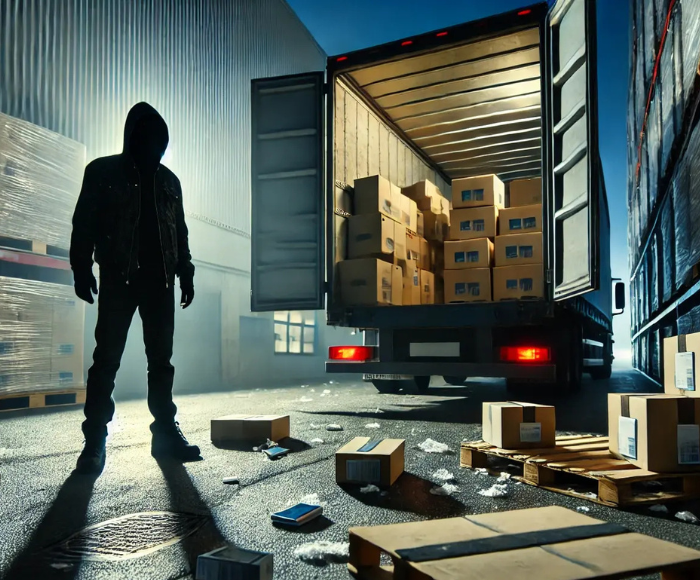
Once AI hardware leaves production, it enters the most exposed phase of its lifecycle. In transit, GPUs, servers, racks, and modular data-center assets are simultaneously at their highest value and their lowest level of physical protection. This leaves them extra vulnerable to damage, malicious modifications, and theft.
The U.S. AI Action Plan reflects this reality. It calls for faster permitting, faster construction, and faster deployment of AI infrastructure. At the same time, it explicitly acknowledges the need for security and vigilance. Control is paramount.
Today’s AI cargo crime exploits systems, not locks
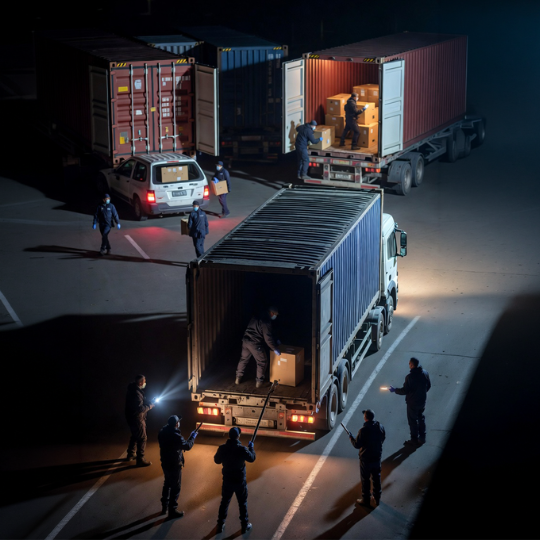
The AI black market, driven by organized crime groups and by restricted countries, seeks access to controlled computing power. Even when the equipment is large, such as full servers or entire racks, the incentive to intercept it remains high.
This is a gold rush. And the modern outlaws are already at work.
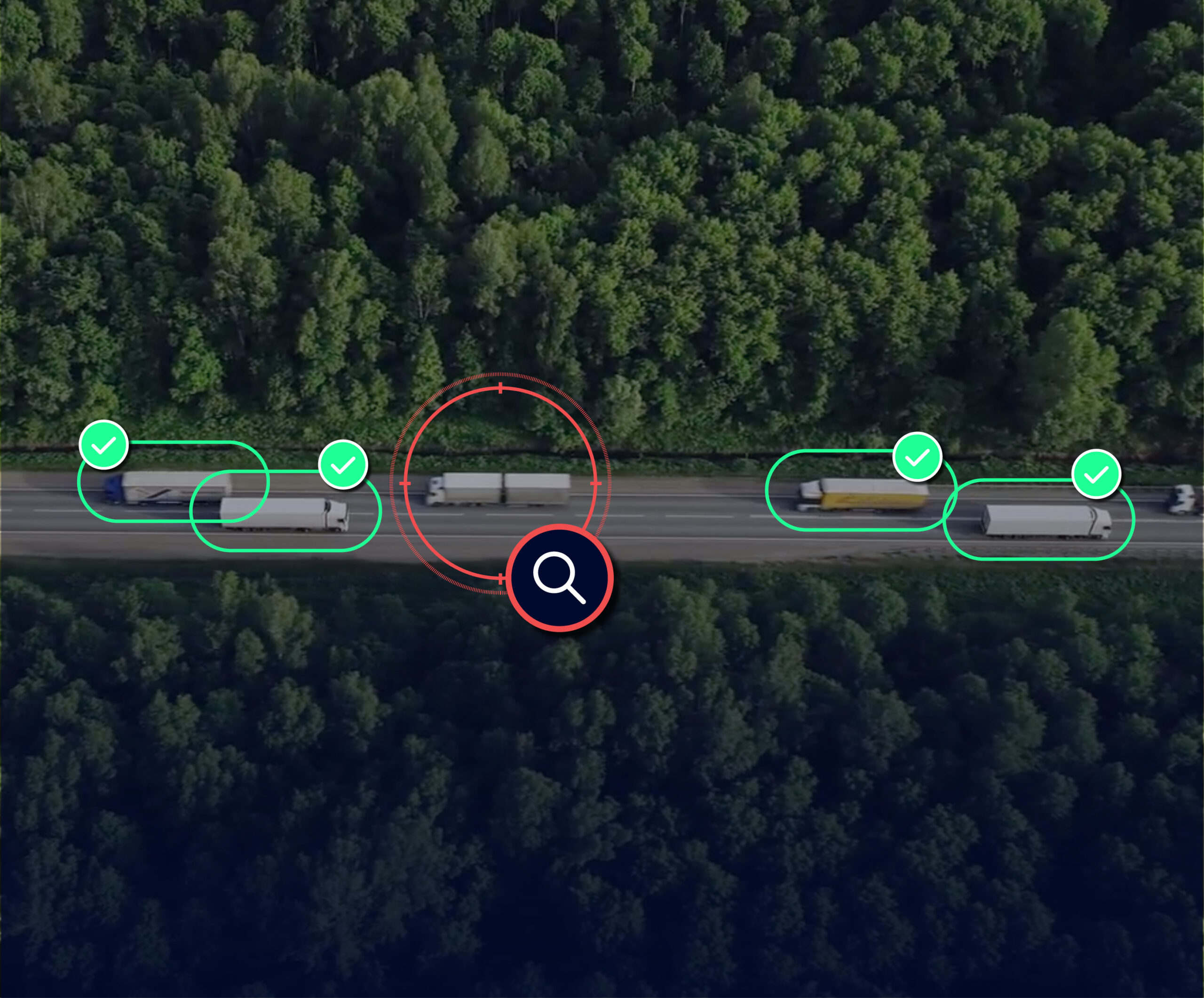
Criminals are no longer breaking locks. They are breaking systems. They use impersonation, identity theft, and digital manipulation to intercept cargo before it ever looks suspicious. Additionally, they exploit the platforms designed to move freight quickly and cheaply.
AI hardware supply chain risks are driven by three distinct types of actors:
1. Fraudulent brokers
Fraudulent brokers insert themselves between shipper and carrier, exploiting urgency and trust. Under intense delivery pressure, credentials are accepted, emails are trusted, and loads are released with insufficient verification.
2. Fraudulent carriers
Often, fraudulent carriers are real trucks operating under stolen or cloned identities. To logistics systems, they appear compliant. By the time the deception is discovered, the hardware is gone.
3. Organized crime gangs
Organized crime groups are structured, international operations that actively target AI infrastructure supply chains. They gather intelligence on high-value AI hardware, coordinate across borders, and exploit digital and physical vulnerabilities to intercept assets in transit. Their objective is not volume but impact. This means stealing or rerouting key AI infrastructure parts for quick profit via black market sales, illegal resale, or diversion to restricted countries.
The greatest AI hardware supply chain risk is still physical
Most discussions about AI risk focus on governance, ethics, data privacy, and cybersecurity. While these are essential, they do not address the most immediate failure mode in AI infrastructure: physical custody loss.
A stolen rack or diverted GPU shipment is not a simple loss event. It sets off a chain reaction: delayed deployments, missed commitments, regulatory scrutiny, rising insurance exposure, and reputational damage.
In a market where AI capability defines competitive position, failure to deliver hardware on time is not an operational issue. It is a strategic failure.
The real board-level question is not “Are we covered?”
It is, “Can we prove chain of custody?”
AI hardware is safest on site. In transit, it is exposed.
AI hardware exposure grows with scale, speed, and supply-chain complexity. And it cannot be delegated away. Brokers, carriers, and third parties operate under the shipper’s risk profile, not theirs.
Protection at this level requires a control layer, not more process. When a GPU shipment or an AI server shipment moves, risk is created by handoffs, impersonation, and fragmented visibility. Control closes those gaps.
Best practices include:
1. Zero-trust handoffs
Every pickup is verified across broker, carrier, driver, vehicle, and location. No single credential, email, or phone call is sufficient to release a GPU shipment or an AI server shipment.
2. Continuous chain-of-custody intelligence
Not just tracking, but auditable Chain of Custody. Knowing where assets are, who handled them, what changed, and when, with a defensible record that stands up to scrutiny.
3. Active governance of brokers and carriers
Ongoing verification and behavioral monitoring throughout cargo transit, not just relying on one-time onboarding. This is where fraudulent brokers and carriers are most often exposed.
4. Secured yards, cross-docks, and staging points
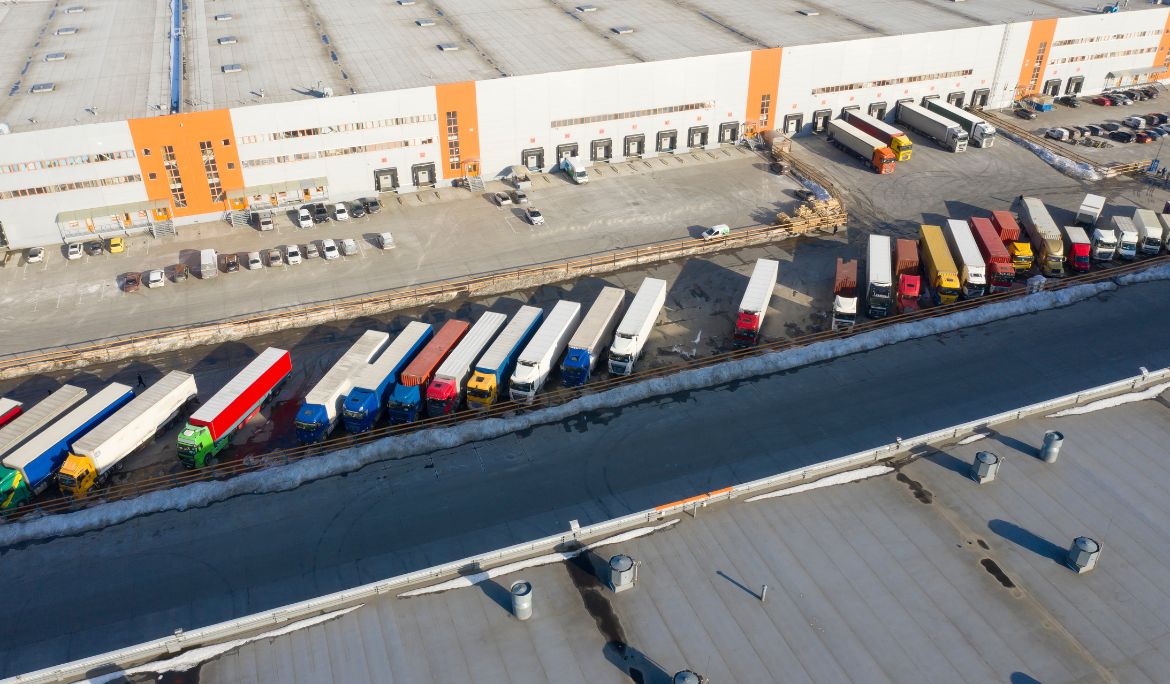
Many losses occur while assets are waiting, not moving. GPU shipments and AI server shipments are often most vulnerable during dwell, transfer, and last-mile staging.
This is how AI infrastructure moves from exposure to control, and from risk to accountability.
When AI hardware supply chain risks enter the boardroom
In the US, AI hardware security is a board-level governance issue. When GPUs, servers, and modular data-center assets move through the supply chain without provable chain of custody, organizations are exposed to theft, diversion, and regulatory breach.
AI hardware supply chain risks now include export-license violations, diversion into restricted jurisdictions, and custody failures that cannot be defensibly explained to regulators. Under U.S. export control regimes and CHIPS Act conditions, boards are accountable for where controlled hardware goes. They're also responsible for who handled it and whether compliance was maintained at every handoff.
Failure of chain of custody is a compliance event. It can trigger export license revocation, mandatory disclosures, exclusion from future federal programs, and massive fines from the U.S. government measured in tens or hundreds of millions.
What this means for shippers now
The CHIPS Act is about rebuilding where AI hardware is made. The U.S. AI Action Plan is about accelerating where AI runs.
Responsibility is ensuring that AI infrastructure survives the journey in between. This requires visibility at every step and the ability to withstand regulatory scrutiny.
A single break in chain of custody can put organizations in front of U.S. authorities such as the Department of Commerce’s Bureau of Industry and Security or the Department of Justice. There, they will answer for lost hardware, diversion to sanctioned countries, and failed controls. Compounding this issue, organized criminal gangs are actively targeting this sector.
In 2026, this is the moment to treat AI infrastructure like the critical national and corporate asset it has become.
Every gold rush reveals what an industry truly values. In the AI era, lasting competitive advantage will belong to those who make visibility, protection, and control fundamental capabilities, not optional safeguards.
And with Overhaul's help, that becomes a little easier. Learn more about our AI hardware solutions.