What you need to know about Montgomery v. Caribe Transport

On May 14, 2026, the United States Supreme Court made a unanimous decision in Montgomery v. Caribe Transport. This ruling removes a long-standing federal protection and has major consequences for the freight and logistics industry. Now, brokers, 3PLs, and digital freight platforms can be held responsible in state court for negligent hiring of motor carriers.
Here's more about what this decision means and how it will change risk management in the industry.
Background: the road to the Supreme Court
The facts behind Montgomery v. Caribe Transport are stark. In 2017, Shawn Montgomery was severely injured and ultimately lost his leg after a truck operated by a carrier with known safety deficiencies struck him. The broker who hired the carrier, CH Robinson Worldwide, faced a lawsuit alleging negligent selection. This claim would traditionally have been blocked by the doctrine of federal preemption under the Federal Aviation Administration Authorization Act (FAAAA).
The crux of the legal battle was whether the FAAAA, which preempts state regulations “related to the prices, routes, and services of the trucking industry,” also shields brokers from state negligent hiring claims. Lower courts, including the district court, had sided with brokers, citing federal preemption. But when litigation reached the Supreme Court, things took a turn.
Oral arguments and the court’s reasoning
During oral arguments, justices probed both sides on the reach of FAAAA preemption. The defense argued that any state regulation, including negligent hiring claims, could impact a broker’s price, route, or service, and thus must be preempted. Plaintiffs countered that safety regulatory authority and traditional tort claims are not the kind of economic regulation Congress intended to sweep aside with the FAAAA.
In a unanimous opinion, the Supreme Court rejected a broad application of federal preemption. The court’s decision clarified that the FAAAA does not categorically shield brokers from state negligent hiring claims. Instead, the Court found that these claims are not inherently related to a broker’s price, route, or service in the way Congress intended to preempt. Rather, they address the public’s safety interests, an area where states retain authority.
The key takeaways: what Montgomery v Caribe Transport II, LLC means for brokers
1. FAAAA preemption is no longer a blanket defense
The Supreme Court’s Montgomery v Caribe Transport ruling means that the FAAAA preempts only direct state economic regulations affecting a broker’s price, route, or service, not all state-level tort claims. State negligent hiring lawsuits can now proceed against brokers, 3PLs, and digital freight platforms if they fail to exercise ordinary care in selecting motor carriers.
2. Brokers must demonstrate ordinary care, not just compliance
Simply verifying that a carrier is federally authorized, insured, and appears compliant is no longer enough. The court’s decision signals that brokers need to show they exercised reasonable diligence, especially when there are red flags related to safety. Ordinary care now requires more robust vetting, documentation, and ongoing monitoring.
3. State regulations will shape the new liability landscape
With state regulations now permitted to impose liability on brokers for negligent selection, the landscape will become more fragmented and challenging. Brokers operating across multiple jurisdictions must understand and adhere to varying state standards for vetting motor carriers. This patchwork of state negligent hiring laws will drive industry-wide changes in compliance, documentation, and operational risk management.
The rise of identity-based fraud
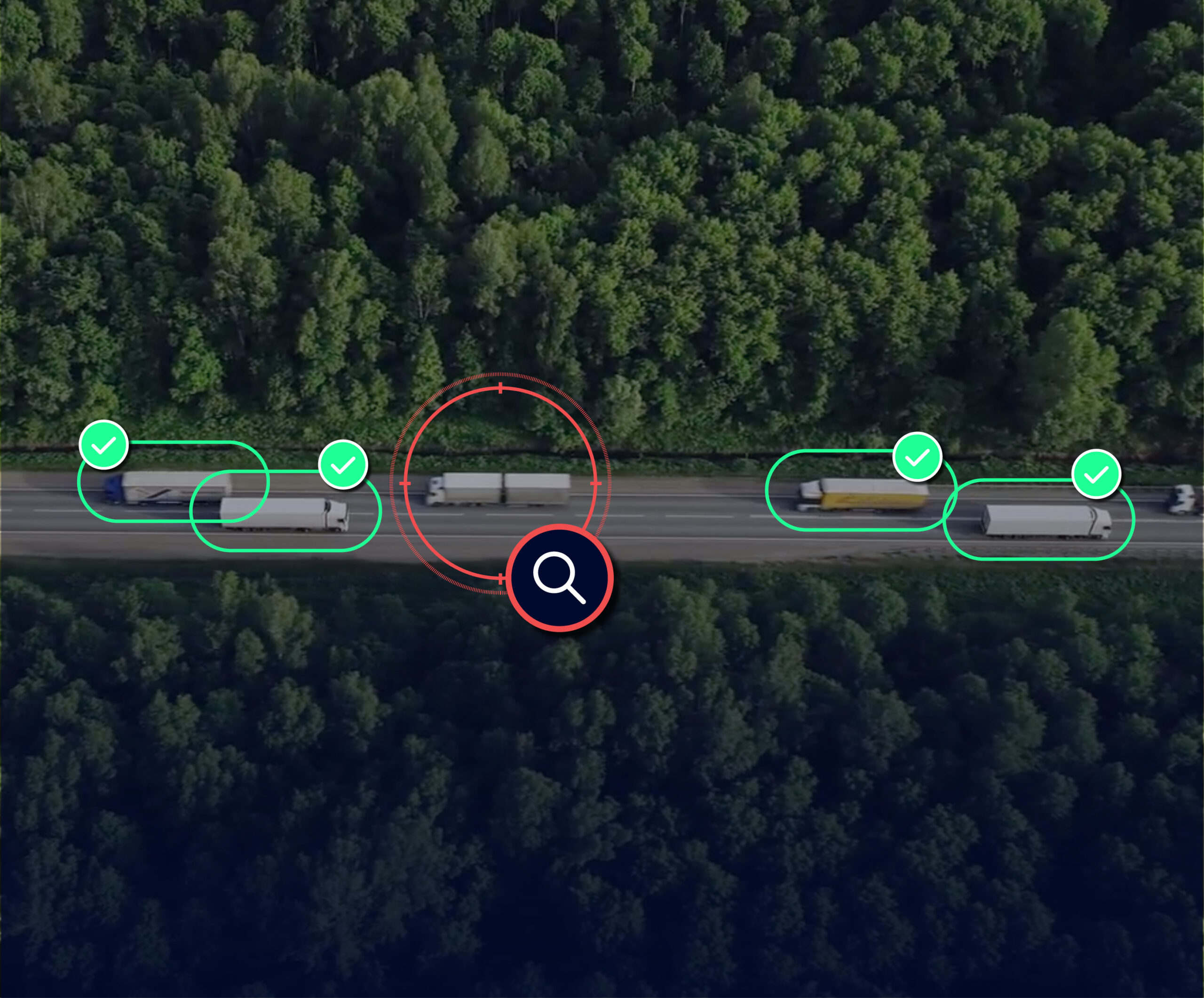
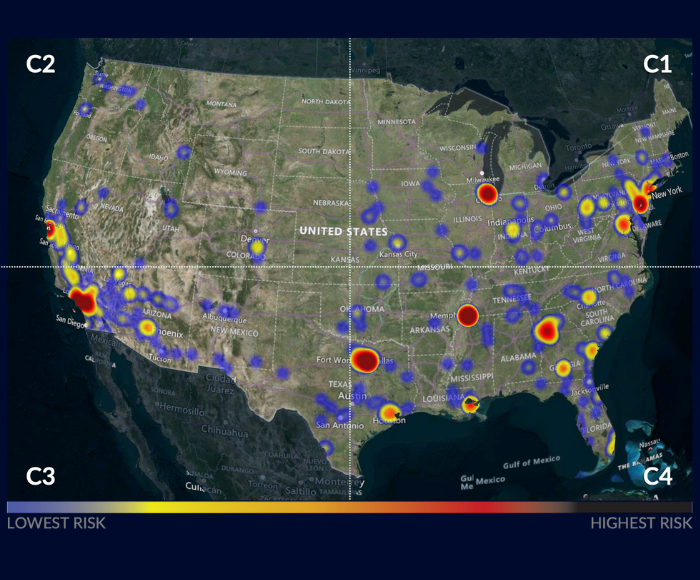
While much of the post-ruling commentary has focused on safety ratings and FMCSA records, the real threat facing brokers is increasingly identity-based fraud. Criminal networks exploit weaknesses in traditional vetting processes, acquiring legitimate motor carrier authorities, spoofing credentials, and presenting flawless paperwork at pickup. As highlighted in Overhaul's recent report, deceptive pickups in the US are up 31% compared to Q1 of last year, and they appear to be growing.
The Montgomery v. Caribe Transport decision makes brokers legally responsible for exposures that are invisible to compliance-only systems. Even when a broker follows federal aviation administration authorization and insurance requirements to the letter, failure to detect fraudulent actors can now result in claims against freight brokers under state negligent hiring standards.
Insurance markets and broker liability
The insurance industry is responding rapidly to the implications of Montgomery v. Caribe Transport. Underwriters have been monitoring the case closely, and the court’s decision will prompt a repricing of liability exposure. Brokers who lack documented, continuous vetting practices should expect higher premiums, as insurers seek hard evidence of risk controls beyond mere compliance.
Overhaul’s insurance solutions are specifically designed to address this new dynamic. By providing carrier risk scores, pickup verification records, and audit trails, brokers can offer underwriters the data needed to accurately price exposure and negotiate favorable coverage terms. However, insurance is not a substitute for proper vetting: jurors and insurers alike will demand proof of real, auditable risk management.
Operational best practices: what brokers must do now
1. Transition from compliance-based to risk-based vetting
The old model of checking for federal authorization, insurance, and moving the load is obsolete. Brokers must implement continuous monitoring, update carrier risk scores in real time, and verify identities at the point of pickup, not just at onboarding. A documented audit trail of all vetting steps is essential to defend against negligent hiring claims.
2. Prepare for depositions and litigation
With Montgomery v Caribe Transport opening the door for state court lawsuits, brokers must ensure that every step of their carrier vetting process can withstand legal scrutiny. If your process couldn’t survive a deposition tomorrow, it’s time for an overhaul. Documentation, transparency, and robust monitoring are the new standard.
3. Leverage technology and data analytics
Advanced platforms like Overhaul offer the tools needed to meet the new liability standard. Real-time risk intelligence, identity verification, and audit-ready documentation are crucial for brokers facing increased scrutiny from courts, insurers, and customers.
Additional steps for brokers, 3PLs, and freight platforms
The Supreme Court’s Montgomery v Caribe Transport decision is not just a legal milestone but a call for operational transformation in the freight industry. Whether you’re a broker, a 3PL, or a digital freight platform, the path forward is clear.
If your vetting relies solely on static compliance checks, it’s time to upgrade. Implement real-time risk scoring, continuous monitoring, and identity verification at the point of pickup. Document every step to create an audit trail that can withstand scrutiny from courts, insurers, and customers.
As negligent hiring claims and state regulations evolve, brokers must also stay informed on legal requirements in every jurisdiction where they operate. FAAAA preempts some state laws, but safety-focused tort claims are now fair game.
Additionally, you must prepare for increased insurance scrutiny. Premiums are likely to rise for brokers who cannot demonstrate robust vetting and risk management practices. Providing insurers with documented, data-driven evidence of risk controls will become essential for managing exposure and negotiating coverage.
Have more questions about Montgomery v. Caribe Transport?
The Supreme Court’s Montgomery v Caribe Transport ruling marks a fundamental shift in how brokers and 3PLs must approach carrier selection and risk management. The FAAAA preemption is no longer an all-encompassing shield, and state negligent hiring standards are now a reality for every freight broker.
Brokers must embrace operational excellence, transitioning from compliance-based models to proactive, risk-driven processes. The industry’s response will shape not only legal outcomes but also customer trust and insurance terms for years to come.
Overhaul stands ready to support brokers, 3PLs, and digital freight platforms as the industry adapts. Now is the time to ensure your vetting process could survive a lawsuit tomorrow and to set a new standard for safety, accountability, and risk management in logistics.
If you still have questions, join Overhaul CEO Barry Conlon and industry experts for the live briefing, “Could Your Carrier Vetting Process Survive a Lawsuit Tomorrow?” This session will address what the Supreme Court’s decision means for brokers, where the industry is exposed, and how leading logistics organizations are responding.