TransImpact + Overhaul: peak season pressure is no longer just an operations problem
Why cost, service, and cargo security must be solved together
Black Friday shoppers spent $11.8 billion online this year. What customers never see is the strain that peak season puts on the supply chain, where capacity shortages, operational errors, and cargo crime collide at the worst possible time.
With an estimated 2.3 billion holiday packages moving this season (+5% YoY), peak no longer exposes just inefficiencies. It exposes systemic fragility, where cost overruns, service failures, and theft risk compound each other.
Peak season performance today isn’t about speed alone. It’s about whether shippers can optimize decisions while protecting freight in motion.
The reality on the ground: disruption is multi-dimensional
During peak season, logistics teams face three simultaneous pressures:
1. Operational breakdowns accelerate
Warehouse error rates jumped 23%, and delivery delays impacted roughly 11% of holiday parcels. As volumes surge earlier in the year, fulfillment centers and yards become choke points, not just for throughput, but for risk.
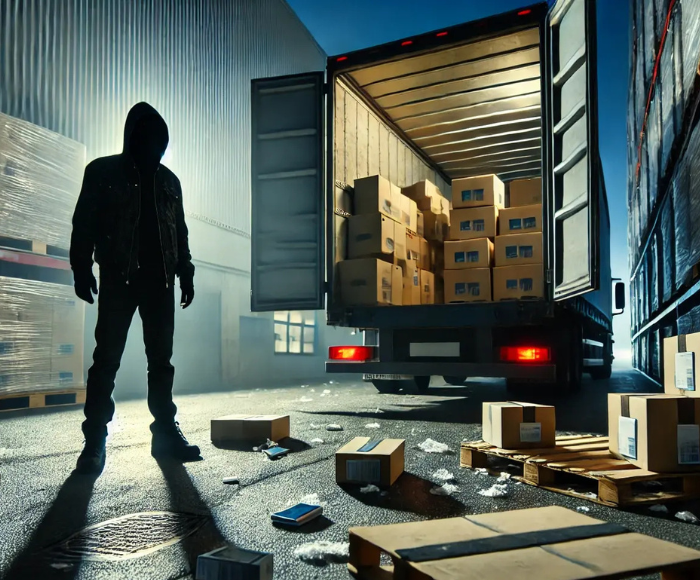
Overhaul data shows that 40% of cargo theft incidents occur at Warehouse and DC locations, particularly in high-volume states like California and Texas. When operations slow or freight sits idle, risk spikes.
2. Carrier volatility and congestion increase exposure
Smaller carriers exit lanes mid-peak, while major hubs face labor shortages and congestion. Routing plans break down quickly.
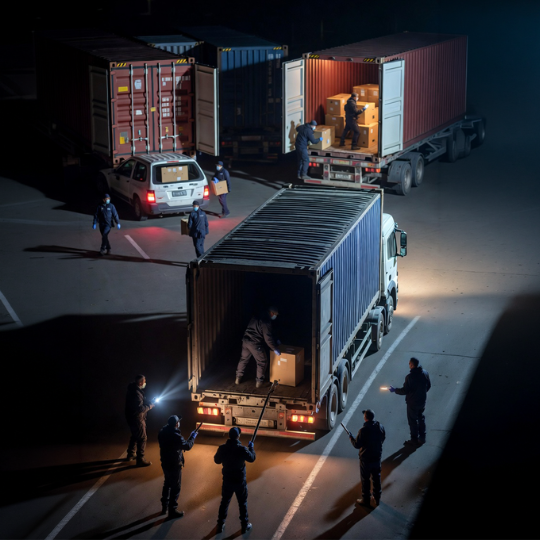
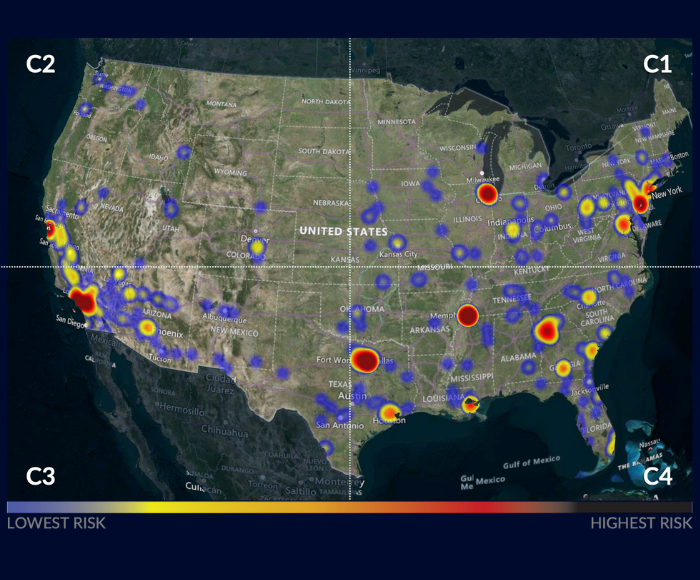
In Q3-2025 alone, Overhaul recorded 645 cargo theft incidents, a 29% increase year over year, with theft activity concentrated near major freight corridors and logistics hubs. Peak season congestion doesn’t just raise costs; it creates predictable opportunities for organized theft.
3. Customer expectations continue to rise
Nearly 60% of consumers expect free two-day shipping, while only 35% of retailers can consistently deliver it. Customers may tolerate 2–3 day delivery if it’s free but late, lost, or stolen shipments drive churn immediately.
Electronics, food & beverages, home goods, and personal care some of the most common peak-season SKUs were among the top five most stolen product categories, accounting for 66% of all cargo thefts in Q3-2025.
Why optimization alone isn’t enough
Many organizations rely on scenario planning to manage peak season and that’s a step in the right direction. But planning without execution and protection creates blind spots.
Only 19% of organizations have fully integrated scenario planning, according to Gartner. Even fewer connect those scenarios to real-time shipment risk and exception management.
What happens in practice:
- Plans assume freight arrives safely
- Costs are optimized without accounting for theft exposure
- Teams react after service failures instead of preventing them
- Security becomes a post-incident activity, not a planning input
Peak season exposes this gap fast.
A different outcome: when cost intelligence meets risk intelligence
Companies using TransImpact and Overhaul together experienced peak season differently because they treated disruption as a connected problem, not siloed functions.
Predictive planning informed by real risk
TransImpact’s scenario planning helped teams model capacity constraints, lane volatility, and surcharge impacts before they hit. Overhaul layered in location-based risk intelligence, highlighting where theft likelihood was highest, near DCs, truck stops, and congested metro corridors like Dallas–Fort Worth, one of the nation’s highest-risk regions.
Cost control without sacrificing protection
Load optimization and routing decisions were informed not just by cost and service, but by cargo exposure, critical as Theft of Full Truckloads rose to 31% of incidents, with Texas alone accounting for nearly half of those events.
Real-time visibility during peak volatility
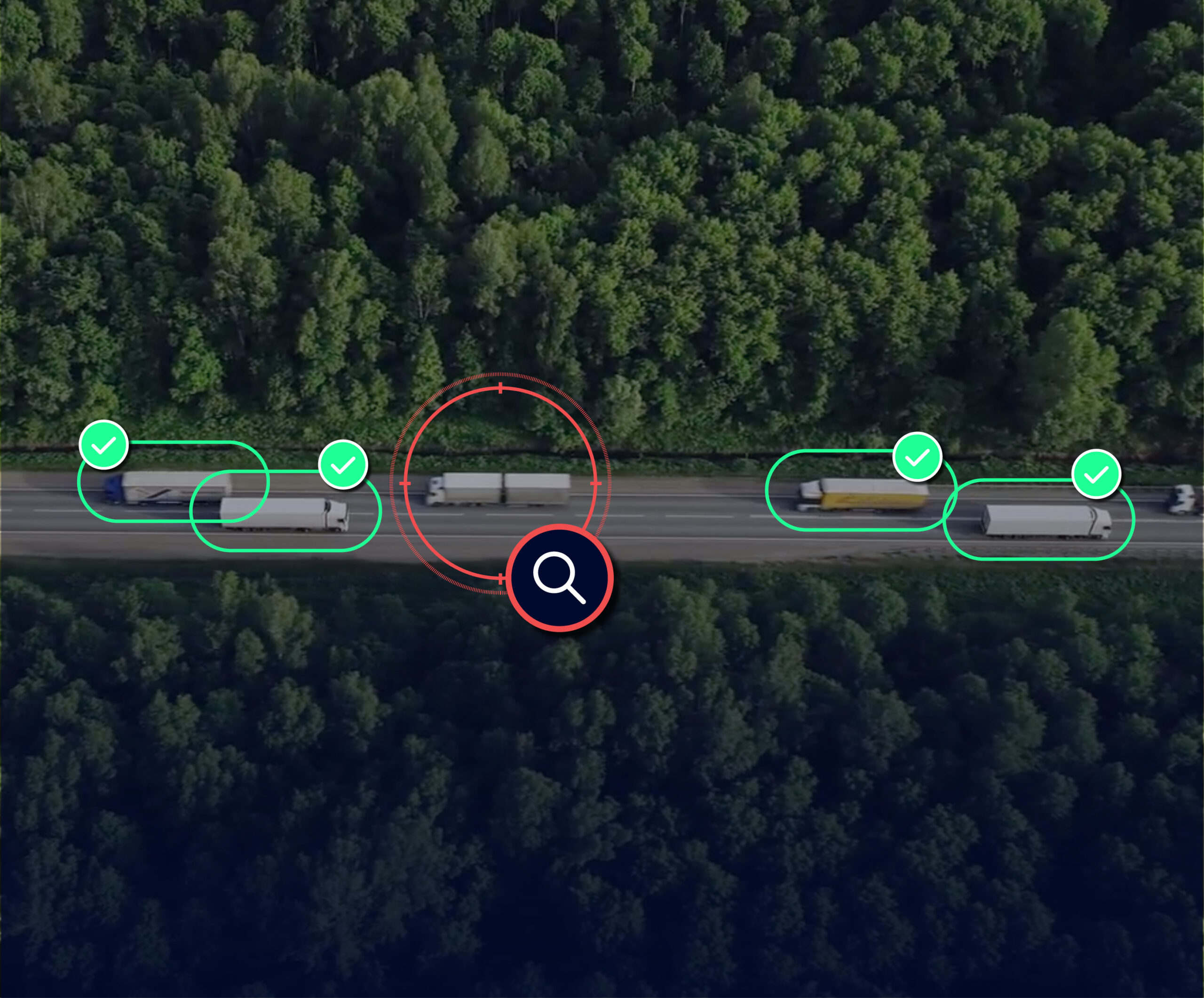
Overhaul provided continuous monitoring across shipments, detecting unauthorized stops, route deviations, and high-risk dwell times, especially important as theft activity occurred consistently throughout the day, not just overnight.
Faster decisions, fewer surprises
Integrated workflows kept transportation, operations, and customer service aligned, allowing teams to proactively adjust plans, notify customers earlier, and intervene before small disruptions turned into costly losses.
Peak season is the stress test and the proof point
Peak season doesn’t create supply chain problems. It reveals who planned for cost, service, and security together and who didn’t.
Your prospects are already feeling the pressure:
- Rising transportation costs
- Unpredictable capacity
- Shrinking service margins
- Increasing cargo theft risk near major hubs
This is where TransImpact and Overhaul deliver differentiated value.
By combining scenario planning and cost optimization with real-time visibility and cargo risk intelligence, shippers gain control when volatility is highest and the stakes are greatest.
Peak performance today isn’t just about moving freight faster. It’s about moving it smarter, safer, and with confidence...no matter the conditions.