Cold chain compliance: an essential guide

What is cold chain compliance?
Cold chain compliance refers to the rules and best practices for handling, transporting, and storing products that need to maintain a certain temperature. This is key for products that can spoil or be compromised, like food and temperature sensitive medicine. Cold chain compliance helps keep products safe and fresh to ensure they are effective or extends their shelf life from the start of the supply chain to the end consumer. It also helps companies meet the laws and guidelines set by regulatory bodies worldwide.
Why cold chain compliance matters for supply chain success
For companies that ship perishable cargo, vaccines, and other temperature-sensitive medicines and medical devices, cold chain compliance is a must. It is not just about avoiding fines. It is about protecting people’s food supply and health and making sure medical products are effective and potent.
If a product or perishable gets too warm or too cold, it can lose its efficacy, spoil, or even become unsafe. Cold chain compliance makes sure temperature-controlled products are monitored, making it possible to determine whether their condition is acceptable or should be rejected. This builds trust with customers and partners.
Benefits of cold chain compliance:
Keeps products safe and effective: Controlled temperature conditions help prevent spoilage and waste and can be life saving for certain conditions.
Meets regulatory requirements: Following Good Distribution Practices or GDP guidelines, Food Safety Modernization Act or FSMA and other regulations is part of doing business.
Saves money: Avoiding temperature deviations means reducing quality investigations and product loss and potential recalls.
Protects your reputation: Customers know they can confidently rely on your quality and safety standards.
Understanding cold chain compliance standards
Regulatory bodies like the FDA (U.S. Food and Drug Administration), EMA (European Medicines Agency), and WHO (World Health Organization), along with many other country regulatory bodies, create rules for cold chain pharmaceutical and medical device distribution. These rules cover things like maintaining temperature data and measurement accuracy, safe transport, handling and storage, and having proper electronic records, security, and data management. If you ship perishable foods or medicine, you need to know and follow these regulations.
Good Distribution Practice guidelines set an additional global standard for how to move and handle medicines and perishable goods. Companies must ensure chain compliance with these guidelines, especially if they ship products globally. GDP covers everything from staff training to vehicle cleanliness and temperature monitoring.
Key elements of cold chain regulatory compliance
a. Temperature conditions and real-time monitoring
The main goal in cold chain compliance is to keep products at the right temperature at all times. This can be in cold storage, during transport, or at delivery across a complex supply chain. Many companies use real time monitoring tools to track temperature data. These IoT devices and software send alerts if the temperature moves outside its safe limits, which helps companies intervene to fix problems before products are compromised.
b. Corrective actions for temperature deviations
Sometimes, problems are unavoidable. When temperature deviations occur, quality will investigate to determine if the product can be accepted at delivery. Companies will want to get to the root cause of what is causing the temperature deviation to avoid the same issue and to improve the process to avoid future challenges. Keeping a record of the decision and corrective action is also part of regulatory requirements.
c. Documentation and traceability
Good record-keeping is required for cold chain compliance. You need to document all cold chain processes, including storage and transportation steps, temperature data, and any corrective actions. This helps you prove to authorities that you are in control of your cold chain, you met the regulations, and you are correcting problems to mitigate risk.
Best practices for cold chain compliance in storage and transportation
Use the right equipment: Refrigerators, freezers, and temperature controlled trucks, containers, and thermal packaging help keep goods at the right temperature.
Monitor in real time: Set up systems that track live temperature data along the journey or inside cold storage and alert you to temperature deviations, delays, door openings, theft, or other unexpected events. Software needs to be configured, flexible, and tested based on your processes and designed to work with your partners.
Train your team: Make sure everyone knows why cold chain compliance matters and how to follow procedures
Validate equipment regularly: Check and maintain all temperature-controlled storage and transportation equipment regularly to make sure it works as expected.
Prepare for audits: Keep detailed records of temperature data, storage and transportation conditions, and corrective actions. Being ready for inspections from auditors is part of good chain compliance.
Plan for deviations and corrective actions: Have clear steps in place for what to do if temperature deviations happen. Aggregate your shipments over time to analyze root cause to correct processes, user error, and other issues that lead to compromised products. This helps protect product integrity and safety.
Cold chain compliance in practice: a real-world example
One real-world example of cold chain compliance comes from a leading baby formula manufacturer, who needed to ensure product integrity and meet strict regulatory compliance during transport. Baby formula is highly sensitive to temperature conditions. If it’s exposed to heat or cold outside the safe range, its quality and safety can be compromised.
To solve this, the company partnered with Overhaul to enhance their cold chain processes, monitoring, and distribution. Overhaul implemented a real time monitoring SaaS solution using sensors placed in each shipment. These sensors provided continuous temperature data throughout the storage and multimodal transportation process. If any temperature deviation occurred, an alert was sent immediately, so the logistics team could intervene such as rerouting shipments or adjusting storage conditions.
With this system, the company tracked temperature conditions at every step. They could document every stage of the process, from manufacturing to distribution center storage to transport, and demonstrate complete supply chain compliance. This improved their ability to prepare for audits and protected the quality and safety of these perishable goods.
By leveraging technology and following best practices, the company reduced waste, minimized risk, and delivered safe, high-quality baby formula to their customers.
The role of technology in cold chain compliance
Modern technology is essential for achieving and maintaining cold chain compliance. In the past, companies relied on manual checks and paper records, which could lead to errors and make it difficult to spot problems early. It was very reactive. Now, many businesses use advanced solutions to support proactive processes at every step of cold chain distribution.
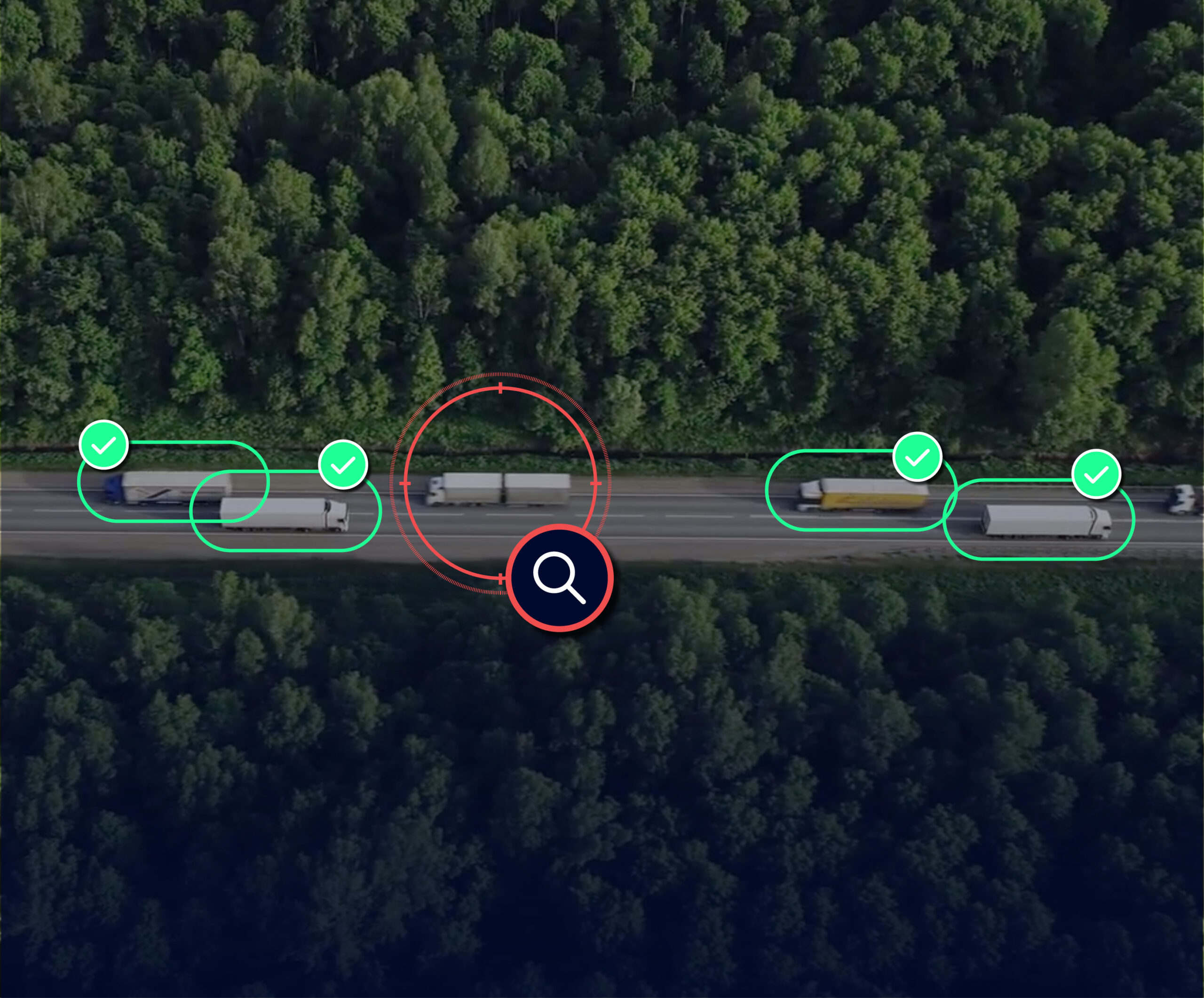
Real time monitoring is one of the most important tools for logistics managers. Small devices placed in shipments or storage units continuously track temperature data. This information is sent to a central cloud system, where staff can see it live. If a temperature deviation occurs, the system sends an alert right away, allowing teams to potentially intervene before the product is further impacted.
Automated wireless data loggers and cloud-based platforms help companies keep accurate records of temperature conditions and document supply chain compliance. These tools make it easier to prepare for audits by regulators, as all temperature data and records of storage and transportation are safely stored and can be appropriately accessed.
Other technologies, like GPS tracking, help companies monitor not just temperature but also the location and status of temperature sensitive goods during transport and storage. This improves visibility and helps ensure quality and safety throughout the supply chain.
By investing in these technologies, businesses can streamline their cold chain processes, reduce the risk of human error, and improve overall cold chain compliance. This makes it easier to ensure protection of product integrity and consumer safety from start to finish.
Explore related cold chain compliance topics
To learn more about specific areas of cold chain compliance, explore these key topics:
Preventing temperature excursions in pharmaceuticals - Learn how to monitor, prevent, and respond to temperature excursions in your pharmaceutical shipments.
3 considerations for temperature controlled packaging - Ensure you're using the proper packaging to keep your goods at the right temperature.
5 challenges facing avocado transportation in Mexico - Read about this popular food product's unique cold chain and regional challenges.
Learn more about Overhaul's solution for cold chain quality and compliance.