Semiconductor tariffs and the fragility of AI supply chains
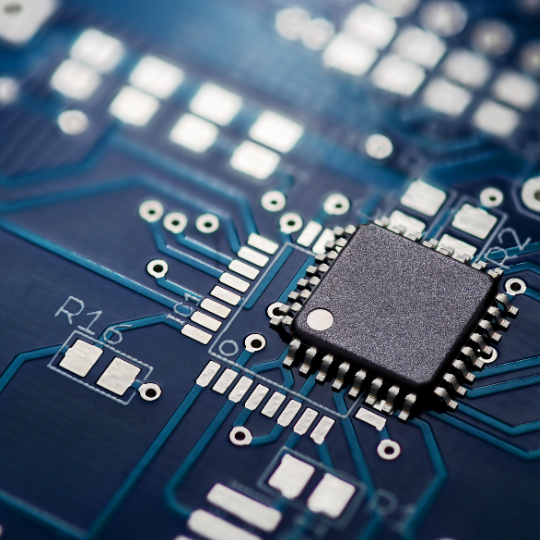
The global semiconductor industry is undergoing a transformation unlike anything seen in modern supply chain history. Tariffs, geopolitical tension, criminal activity, and explosive demand for advanced computing chips have collided. The new landscape is defined by volatility, scarcity, and strategic vulnerability. And as the world races to build AI infrastructure at a scale comparable to the industrial revolutions of the past, the pressure on every upstream and downstream component is immense.
Ten years ago, a high‑value shipment was often a $1 million pallet of smartphones. Now, it is a small shipment of semiconductors needed for AI workloads. These chips are not just simple parts; they are complex modules with circuits, memory, power systems, and cooling.
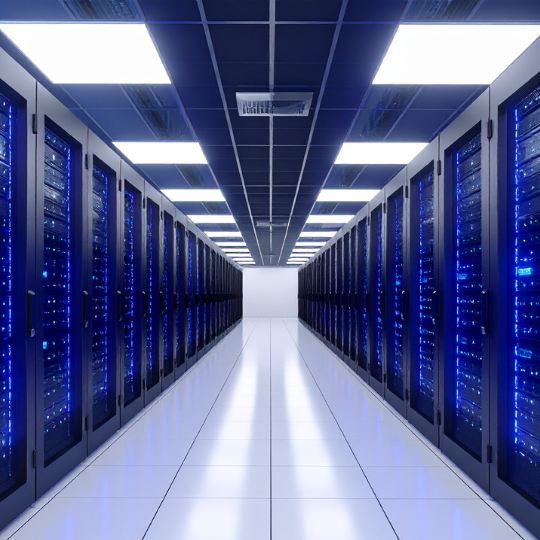
They are the beating heart of modern data centers. And the introduction of semiconductor tariffs is further complicating this already critical landscape.
Tariffs Are Reshaping the Semiconductor Landscape
Semiconductor supply chains have always been global, but new tariffs on imports have changed how companies source, make, and ship products. The U.S. trade representative and Section 232 investigations have made tariffs a central issue in supply chain planning. These investigations focus on imported semiconductors, manufacturing equipment, and related products.
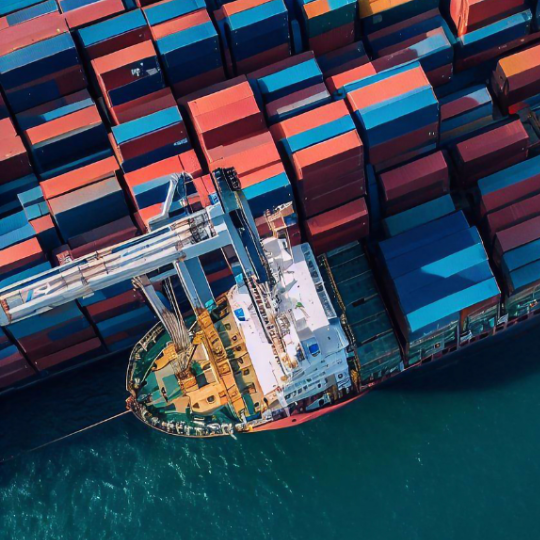
These tariffs aim to reduce reliance on foreign suppliers and encourage companies to manufacture more products at home. However, their immediate effect is higher costs, more complexity, and greater pressure on operations. Because semiconductor manufacturing happens in many countries, tariffs at any stage affect the whole process. For example, a chip might be designed in the U.S., made in Taiwan or Korea, packaged in Malaysia, and assembled in Mexico.
Companies must now navigate higher import costs for integrated circuits and advanced computing chips. The have to renegotiate contracts with suppliers across multiple regions. Even more importantly, they must contend with longer planning cycles as they wait for tariff exemptions or reciprocal tariffs from trading partners. Shippers are facing increased scrutiny from Customs and Border Protection as semiconductor imports become more regulated.
The pressure to diversify suppliers and redesign products to avoid tariff‑affected components is growing. Companies are being forced to rethink their entire sourcing strategy.
These changes are not just theoretical. Tariffs on semiconductor imports can change costs overnight, which is why they are now a strategic factor in decisions about materials and investments.
The CHIPS Act
A long‑term solution that doesn’t solve short‑term pain
The CHIPS and Science Act represents one of the largest industrial investments in U.S. history. Its goal is clear: rebuild domestic semiconductor manufacturing capacity, reduce reliance on foreign fabrication, and strengthen national security. Billions of dollars are being deployed to construct new fabs, expand advanced packaging capabilities, and train a workforce capable of supporting next‑generation semiconductor production.
But the CHIPS Act is a long‑term answer. It does not fix today’s supply chain problems.
Building a chip factory requires special clean rooms, skilled workers, advanced machines, steady power, lots of money, and years to build. Even with CHIPS Act funding, most new factories will not be ready until 2027 or later. Packaging plants for AI chips will take even longer.
This means companies must navigate tariff‑driven volatility now, while waiting years for domestic capacity to come online. The CHIPS Act will make supply chains stronger in the future, but it does not solve the fragility today.
The trillion‑dollar AI buildout is creating structural scarcity
The world is in the middle of a trillion‑dollar AI infrastructure expansion. Hyperscalers, cloud providers, enterprises, and governments are building data centers at a pace never seen before. This buildout is not a short‑term spike — it is a multi‑year, multi‑phase transformation that will continue well into the 2030s.
Demand for advanced computing chips is expected to grow 30–40% annually for the next several years. Demand for supporting infrastructure (transformers, switchgear, busbars, cooling systems, racks, power distribution hardware) is growing just as fast.
This is creating structural scarcity across the entire ecosystem.
Semiconductor products are constrained. Derivative products are constrained. Electrical infrastructure is constrained. Data center construction materials are constrained. Skilled labor is constrained.
The import of semiconductors is only one part of the challenge. The entire supply chain required to build AI‑ready facilities is under strain. Lead times have stretched from weeks to months, and in some cases, years.
Companies used to count on steady supplies. Now, almost everything is scarce, expensive, and important.
Global competition is intensifying scarcity
The U.S. is not alone in trying to build AI infrastructure. China, South Korea, Japan, India, Singapore, and countries in the EU are also investing heavily in chip manufacturing, new data centers, and technology supply chain policies. To strengthen its own position, the U.S. Department of Commerce signed a landmark trade and investment agreement with Taiwan on January 15, 2026. This agreement aims to bring more semiconductor manufacturing back to the U.S., reshaping global competition.
This global competition makes scarcity worse in several ways:
- Competing for the same equipment: Machines for making chips, like lithography tools and etchers, are in short supply. When multiple countries place orders, wait times get longer.
- Competing for the same talent: Skilled engineers and data center architects are hard to find. Countries are competing for the same workers.
- Competing for the same raw materials: Rare earth elements, specialty gases, and pure chemicals are limited. Reciprocal tariffs and export controls make access harder.
- Competing for the same power: AI data centers need huge amounts of electricity. Regions with limited power grids face delays.
Scarcity in the technology supply chain is now structural, not temporary.
The criminal fraternity has never seen an opportunity like this
Semiconductors and AI parts are some of the easiest high-value items to steal and resell. They are small, easy to move, always in demand, and hard to trace once removed from the supply chain. Organized crime groups have shifted their focus to these products.
The value of a single pallet has soared. Criminal networks know that a load of accelerators can be worth more than luxury goods. These components often travel through complex routes, with limited security and inconsistent monitoring. Their high value, small size, and weak oversight make them perfect targets.
Unlike consumer electronics, infrastructure components have no retail footprint and little tracking. They can be quietly sold in gray markets or to unauthorized buyers. In a world racing to build AI, stolen goods find buyers quickly.
Criminal networks have also become more sophisticated. They understand the risks created by rapid sourcing changes, new shipping routes, and new carriers. They exploit gaps in visibility and security, and chaos caused by tariff-driven rerouting. The semiconductor supply chains now face systemic risks from theft, diversion, and fraud.
The criminal fraternity has never seen a more profitable moment.
Denied‑party screening
A growing national‑security priority
The stakes extend beyond theft. Semiconductors and advanced computing chips cannot end up in unfriendly or restricted countries. Export controls and denied‑party regulations have tightened dramatically, and companies must ensure that shipments do not pass through prohibited jurisdictions or reach unauthorized buyers.
Criminal groups use weak compliance checks to send stolen goods into restricted markets. Even one mistake in screening or paperwork can lead to fines, seized shipments, or reputational harm. As companies change sourcing because of tariffs or scarcity, the risk of accidental diversion goes up.
Denied-party screening is no longer just a paperwork task. It is now a key part of daily operations, especially as Customs and Border Protection increases checks on imported semiconductors and chip imports. Companies must make sure that every shipment, every middleman, and every route follows national security rules. Section 232 investigations and new export controls have made these rules even stricter.
When one country sets a tariff on imports, others often answer with their own. These reciprocal tariffs add more layers of complexity. They increase the chances of mistakes, like misclassifying products or sending them to the wrong place.
The semiconductor industry is now operating in a regulatory environment where compliance failures can have consequences far beyond financial loss. They can affect market access, licensing, and long‑term strategic positioning.
Semiconductor tariffs alone will not build resilience
Tariffs apply to many parts of the technology supply chain and may change how companies invest in the long term. However, tariffs alone cannot create new factories, train engineers, or build advanced packaging plants. Building resilience takes time, money, strong infrastructure, and a skilled workforce.
Companies need solutions that help them operate through volatility now.
How Overhaul reduces supply chain fragility and criminal risk
In this environment, companies need more than visibility. They need real‑time intelligence, proactive risk detection, and the ability to intervene before a disruption becomes a loss. Overhaul is built for exactly this moment.
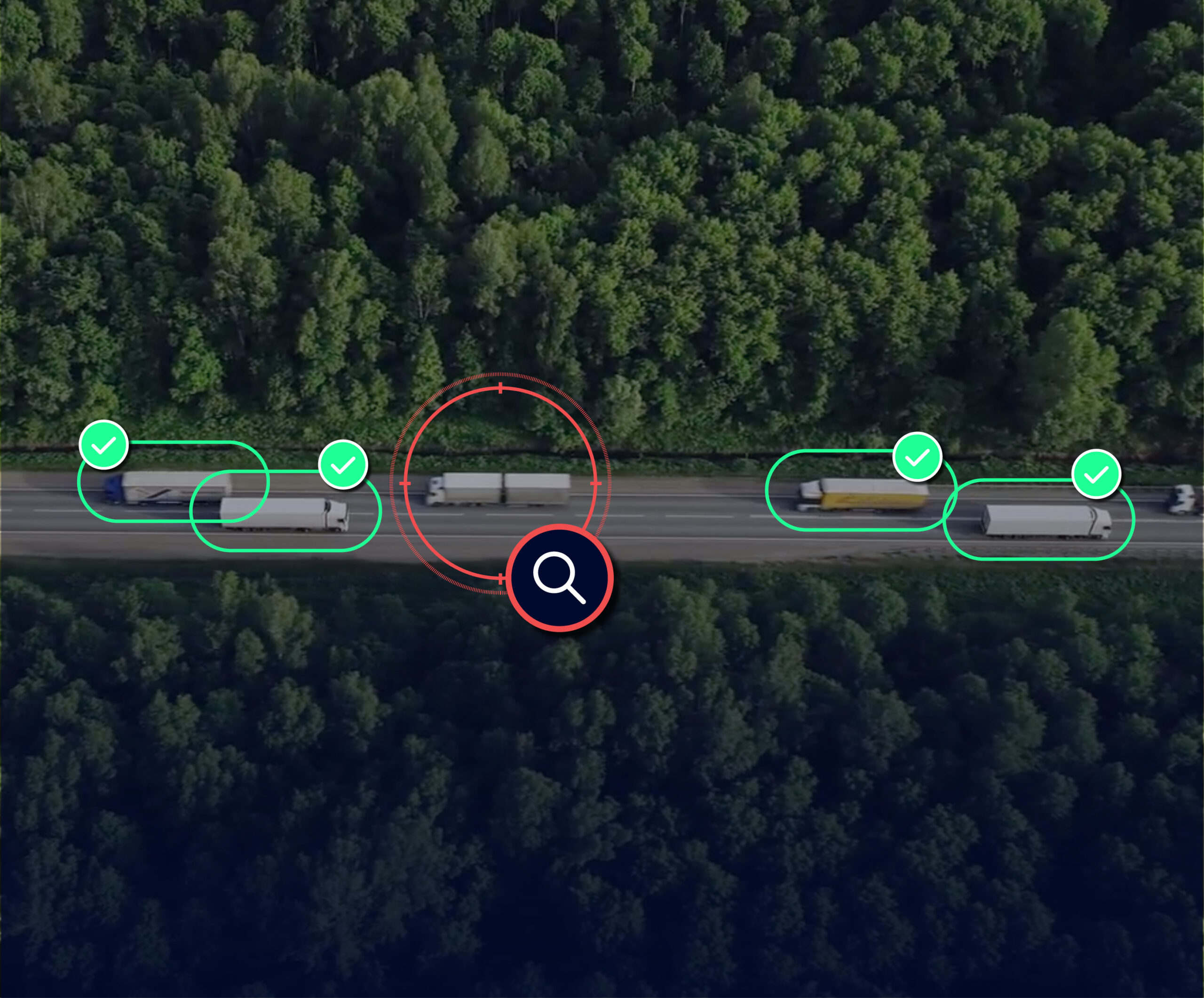
Overhaul provides continuous monitoring of high‑value semiconductor and AI‑infrastructure shipments, surfacing anomalies early enough to prevent loss, diversion, or production delays. When a $15 million pallet is in motion, knowing its exact status, and understanding the risk around it, is essential.
By combining real‑time location data with behavioral analytics, Overhaul identifies suspicious route deviations, unauthorized stops, and high‑risk geographies. This helps prevent theft, tampering, and diversion into restricted markets. Integrated compliance intelligence strengthens denied‑party screening, ensuring that sensitive components do not end up in prohibited jurisdictions or with unauthorized buyers.
As companies shift sourcing due to semiconductor tariffs or scarcity, Overhaul continuously evaluates new lanes and carriers, reducing the uncertainty that comes with rapid operational change. And when something does go wrong, Overhaul’s coordinated response reduces dwell time, limits loss, and protects customer commitments.
Overhaul turns complexity into control. It reduces fragility by giving companies the transparency and responsiveness required to operate confidently in a high‑value, high‑risk environment.
What companies can do now
Companies should begin by building a clear understanding of their tariff exposure, supplier geography, and compliance obligations. This includes mapping where integrated circuits and advanced computing chips originate, how derivative products move through the supply chain, and where reciprocal tariffs may affect cost structures.
From there, organizations can evaluate sourcing strategies, strengthen supplier communication, and invest in systems that provide real‑time visibility and risk intelligence. The AI buildout will continue for years, and domestic manufacturing will expand slowly. Resilience — not efficiency — must guide decision‑making.
The future of the semiconductor supply chain
The semiconductor and technology supply chain is entering a critical time, shaped by geopolitical stress, Section 232 investigations, reciprocal tariffs, and massive global demand. The AI buildout is not a short-term event. It is a long transformation that will keep stretching the supply of chips, related products, and the equipment needed to make them.
Scarcity is now built into the system, and with it comes higher risk of crime, tougher compliance, and more chances for loss.
Companies cannot afford to treat these pressures as isolated challenges. They represent a systemic shift in how the semiconductor industry operates and how global technology supply chains must be secured. Resilience now depends on real‑time visibility, intelligent risk detection, and the ability to intervene before disruption becomes loss. This is where Overhaul plays a critical role.
We reduce fragility, strengthen transparency, and give organizations the control required to navigate a world where every shipment carries outsized value and strategic importance.
The companies that succeed will be those that embrace this moment, invest in intelligence and control, and build supply chains capable of withstanding the volatility ahead.
FAQs
1. Are semiconductors exempt from tariffs?
No, most semiconductors and related products are not exempt from tariffs. While some exemptions exist, the majority of chips and manufacturing equipment face increased tariffs as part of broader national security and trade strategies.
2. What are the biggest risks to semiconductor shipments today?
Theft, diversion, and disruption from rapid sourcing changes are the most significant risks to semiconductor shipments. High value and small size make these components prime targets for criminals and vulnerable to compliance lapses.
3. How does Overhaul help companies protect high-value semiconductor and AI infrastructure shipments?
Overhaul provides real-time visibility, risk analytics, and compliance monitoring to detect and respond to threats before loss occurs. This proactive approach reduces theft, diversion, and regulatory violations in high-value supply chains.