8 NON-NEGOTIABLES for your data center logistics provider

When it comes to data center logistics, the stakes are sky-high. I’ve seen firsthand how the right logistics partner can be the difference between seamless operations and a costly, stressful scramble.
Choosing the right data center logistics company isn’t just about price or availability. It’s about trust, technical expertise, and a shared understanding that your assets are mission-critical.
Here are 8 non-negotiables for your data center logistics provider.
1. Deep technical expertise
Experience matters. You want a logistics provider that understands the unique demands of data center supply. Not just generic “IT equipment,” but the nuances of handling server racks, powered systems, and sensitive networking gear. Ask about their history with critical infrastructure moves, and don’t be shy about requesting references from other data center environments.
A top-tier provider offers more than just trucks and drivers. They bring technical teams who know how to navigate the physical and procedural requirements of white glove service: proper unboxing, reconciliation, racking, cable management, and even environmental controls. When you’re moving millions of dollars of data center hardware, these details are the difference between a smooth deployment and a disaster.
2. Real-time visibility
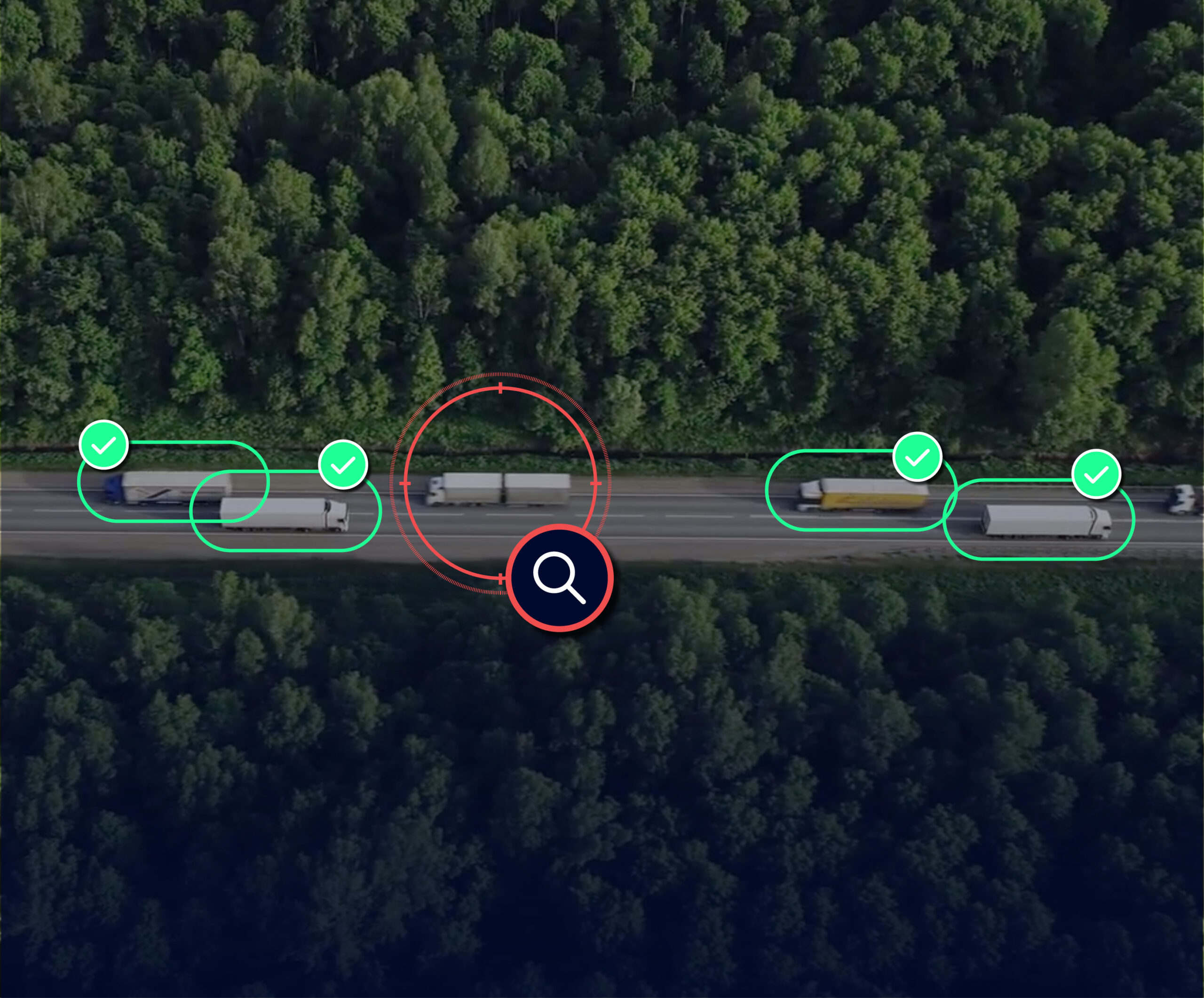
No commander would send a convoy into a contested environment without communications and tracking. The same should be true for your data center logistics. Real-time visibility is the backbone of modern logistics management. You should have access to detailed shipment updates, GPS tracking, and condition monitoring for your assets from dock to destination.
This isn’t about satisfying curiosity; it’s about risk mitigation and operational discipline. If a shipment goes dark, you need to know immediately. If a delivery window is about to slip, you want alerts, not apologies. A logistics partner who can’t offer this level of transparency isn’t prepared for the realities of today’s supply chain threats.
3. Secure chain of custody
Moving high-value or sensitive equipment demands a secure chain of custody. This means tamper-evident packaging, verified handoffs, and documented asset management at every stage. Your logistics company should have ironclad protocols for both inbound and reverse logistics, so that every piece of data center hardware is accounted for, whether it’s being installed, decommissioned, or recycled.
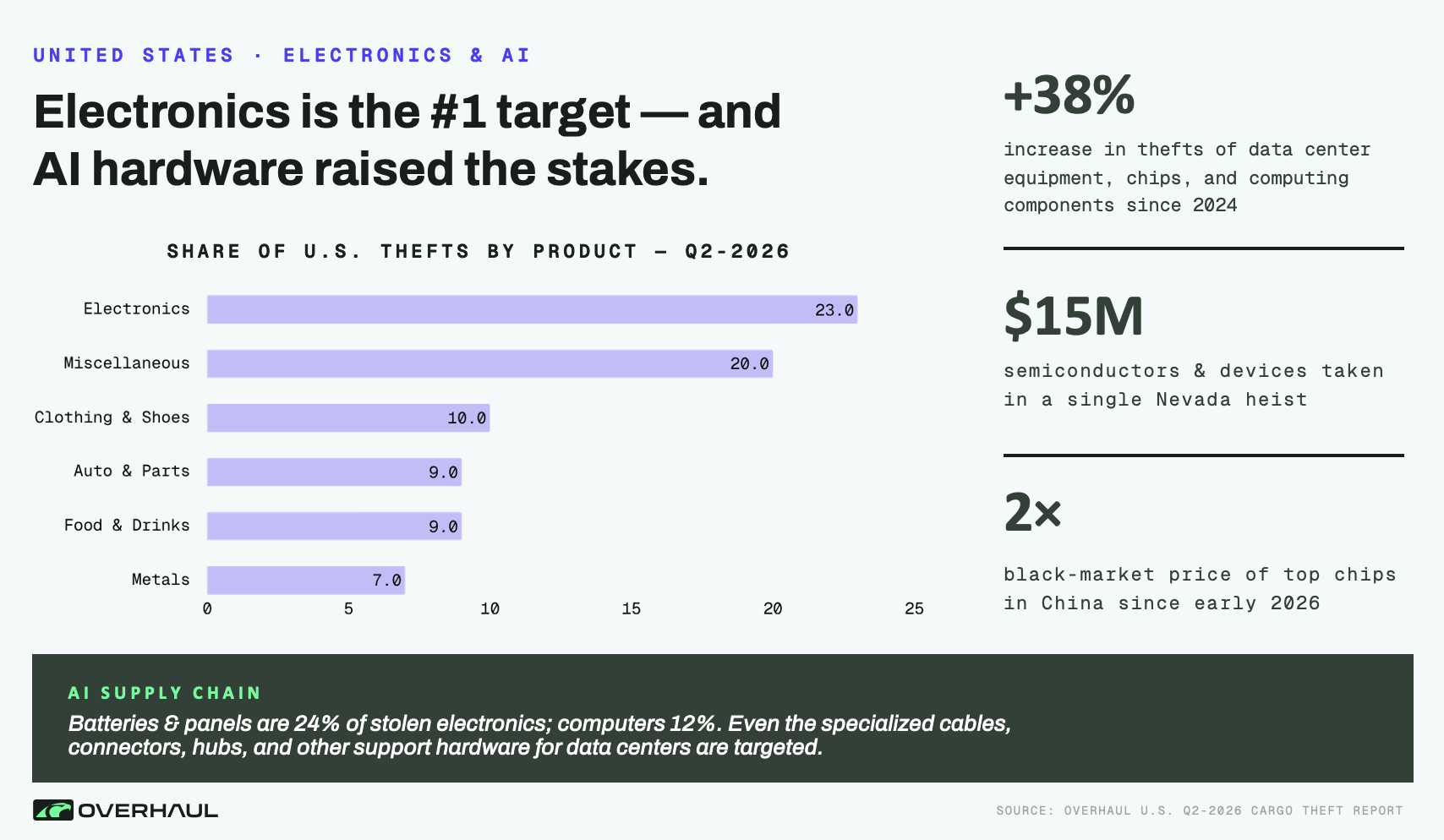
This is also where cargo theft and fraud prevention belong, and they deserve to be named directly rather than assumed. Strategic cargo theft, fictitious pickups, and carrier-identity fraud are among the fastest-growing threats in high-value freight. A serious provider vets every carrier’s authority and identity before a load is tendered, not after something goes missing.
Ask tough questions: Who has access to your equipment during transit? What background and carrier vetting checks are in place? Do you carriers have a high-value load protocol for high consequence moves? How are discrepancies investigated and resolved? If your provider can’t answer these clearly, keep looking.
4. White glove and specialized services
Not all shipments are created equal. Some assets need more than a liftgate and a loading dock; they require white glove service. This might include inside delivery, unpacking, racking, or even initial setup of powered systems. In my experience, companies that specialize in data center operations understand that a server rack isn’t just a heavy object; it’s a vital asset that needs expert handling.
Look for a partner who can scale their logistics services to your needs, whether it’s a single rack for a remote site or a full data center build-out. Flexibility and technical capability should be part of their DNA.
5. Asset management integration
Your logistics partner should provide detailed asset management throughout the journey of your data center hardware. This means serialized tracking, documented transfers, and integration with your own inventory systems. The best companies help you maintain a real-time, cradle-to-grave record of every piece of hardware in your data center supply chain.
When reverse logistics comes into play, asset management becomes even more critical. Certified data destruction (to a standard like NIST 800-88) and certified recycling (R2 or e-Stewards) shouldn’t be treated as optional add-ons. The drives leaving your data center often carry more risk than the chassis they came out of, and you need assurance that sensitive equipment and the data on it are handled securely from end to end, minimizing risk and ensuring compliance with environmental and data privacy regulations.
6. Crisis response and communication
Even the best-planned projects hit bumps in the road. What separates a competent logistics partner from a truly exceptional one is how they handle surprises.
Ask about their protocols for missed delivery windows, unexpected delays, or in-transit incidents. Do they offer 24/7 support? Will you have a dedicated point of contact, or will you be stuck navigating a call center maze when something goes wrong? And just as important: are their SLAs measurable? Defined delivery windows, and real accountability when those windows are missed, matter far more than a promise to “do their best.”
The right partner understands that real-time visibility and open communication are lifelines. When critical infrastructure is on the move, you want a logistics company that treats every update as mission-critical, keeping you informed every step of the way.
7. An honest accounting of the cost of delay
Time is money, and nowhere is that more literal than in a data center build-out. When you’re deploying new infrastructure, technical experts are often onsite and, on the clock, waiting for assets to arrive so they can rack, cable, and install. A delay, a mis-ship, or a damaged unit strands expensive, specialized labor with nothing to install.
Every hour an engineer spends idle because a rack is stuck in transit, misrouted, or arrives damaged is an hour of billable technical time evaporating with no output to show for it. Multiply that across a multi-rack build-out or a multi-site rollout, and a single logistics failure can cascade into tens of thousands of dollars in idle labor, extended project timelines, and slipped go-live dates.
The best data center logistics providers understand that syncing delivery with your install crews’ schedules isn’t a courtesy, but a KPI. Ask how they coordinate delivery windows against your deployment schedule, and what happens when something goes wrong, so a shipping problem doesn’t turn into a six-figure labor problem.
8. Insurance, liability, and compliance credentials
Ask about coverage limits for in-transit loss, theft, and damage, and understand exactly how claims are filed and resolved before you need to file one. Trust but verify: industry certifications like SOC 2, ISO 27001, and C-TPAT signal that a provider has real, audited controls around security and data handling, not just marketing language. If a partner can’t produce documentation on request, that’s a red flag worth taking seriously.
Why the right data center logistics company matters
Your logistics partner isn’t just moving boxes; they’re safeguarding your investment, your timeline, and your reputation. They’re your first and last line of defense against disruption, delay, and loss.
When you choose a provider who prioritizes deep technical expertise, real-time visibility, secure chain of custody and fraud prevention, white glove service, integrated asset management, decisive crisis response, respect for the true cost of delay, and verifiable insurance and compliance credentials, you’re ensuring that your data center environments remain ready to meet the demands of a rapidly changing digital world.
The best advice I can offer is to treat data center logistics services the same way you’d treat a critical infrastructure vendor. Demand excellence, verify expertise, and never compromise on security or transparency. The right company will bring not only the trucks and technology, but the mindset and discipline to help you optimize your data center from the ground up and to protect the expensive technical talent waiting on the other end of every shipment.