Breaking down Overhaul's semiconductor logistics solution
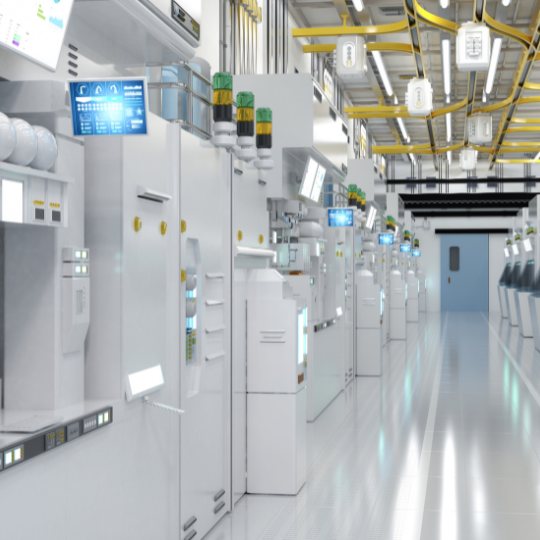
Securing high-value high-consequence (HVHC) supply chains is more important than ever. Risks like theft, fraud, and temperature changes can delay shipments and damage products. That’s why strong semiconductor logistics solutions are essential.
Overhaul addresses these and other challenges with real-time tracking, strict carrier vetting, and climate controlled transport. This approach ensures that sensitive components reach their final destination in pristine condition.
Overhaul's approach to semiconductor risks
Protecting HVHC requires proactive, technology-driven controls. Overhaul’s approach is built around four foundational pillars:
1. Secure handling and carrier verification
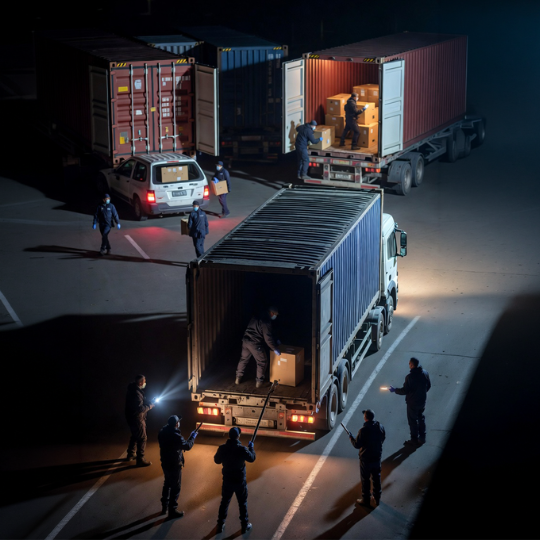
Control starts with who touches the cargo. Overhaul’s FraudWatch solution verifies credentials and identities before dispatch, then flags suspicious activity in real time. That closes the gap ghost carriers and fraudulent pickups exploit.
2. Real-time tracking and intervention
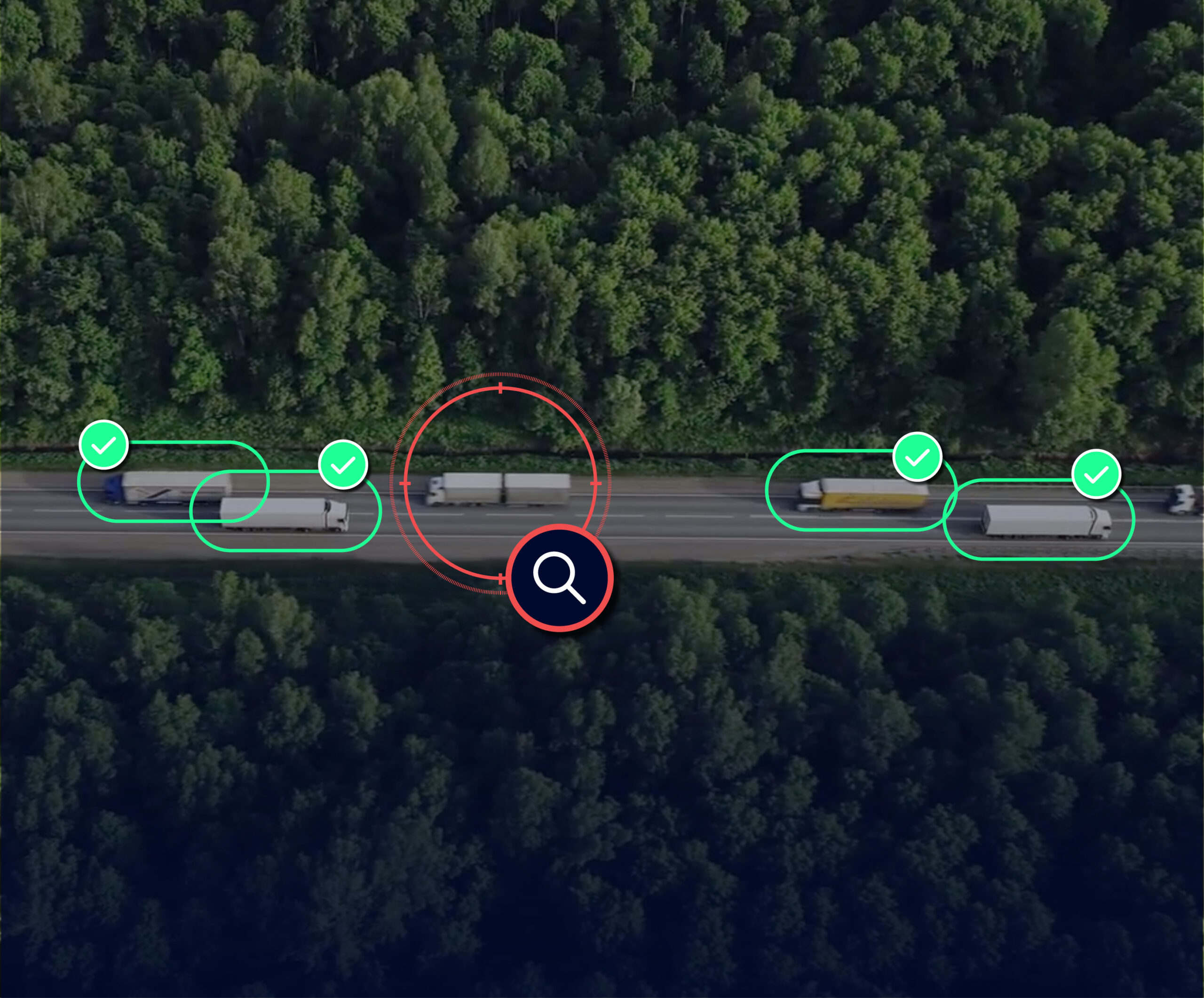
Overhaul’s platform delivers continuous visibility with geofencing and route adherence monitoring. Teams are alerted when a shipment deviates, stops where it should not, or is opened without authorization. This enables them to intervene while recovery is still possible.
3. Multi-tier monitoring and compliance reporting
Control ends where visibility ends. Overhaul monitors shipments moving between a buyer’s suppliers, not only shipments moving to its own docks. It then converts chain of custody, dwell, and carrier legitimacy into supplier compliance evidence.
4. Climate-controlled transport solutions
Sensors track temperature, humidity, and shock in real time, so teams intervene before conditions damage cargo.
Together, these capabilities form a robust framework for securing HVHC semiconductor shipments, but technology alone isn’t enough. True supply chain resilience depends on aligning upstream partners around the same standards for visibility, control, and accountability. That’s why the next step is making these controls a requirement, not just an option, across your supplier network.
What hyperscalers and server manufacturers should require upstream
Overhaul works with customers to facilitate upstream adoption by understanding and implementing these best practices:
- Provide the buyer with real-time shipment tracking, including location, stops, route, and sensor readings.
- Vet and re-verify every carrier, broker, and driver against fraud indicators before dispatch, and document the result.
- Maintain unbroken chain-of-custody records across mode changes, cross-docks, consolidation points, and free trade zone transits.
- Report security incidents, temperature excursions, and route deviations on a defined clock, with corrective action plans and closeout evidence.
- Disclose sub-tier dependencies for constrained components and materials, so a single-source exposure two tiers up is visible before it becomes an outage.
- Submit to audit against these requirements, with performance tied to the commercial relationship.
None of this is exotic. It is the standard the defense industrial base is being held to, applied to the components that determine whether a data center opens on schedule.
Start protecting your shipments
Overhaul's semiconductor logistics solutions protect more than the companies that build chips. They protect the assembly and test providers, the server and rack integrators, and the hyperscalers whose deployment schedules depend on components that no purchase order can accelerate.
Learn more about how we're reducing risks for semiconductor products.
Frequently asked questions about semiconductor logistics solutions
1. How are semiconductor shipments protected across different transport modes?
Sensors track shipments and monitor temperature, humidity, shock, and location in real time. If conditions change or routes deviate, alerts are sent to logistics teams. Chain-of-custody records and secure handling and transporting help ensure safe delivery.
2. Why does upstream semiconductor risk matter to a hyperscaler?
Because the hyperscaler absorbs the largest share of the consequence. A stolen or damaged shipment two or three tiers upstream cannot be replaced from inventory when the component has a lead time measured in quarters or years. This means the loss converts directly into a missed energization date, stranded power capacity, and idle capital.
3. How does Overhaul prevent cargo theft and fraud for semiconductor companies?
Overhaul uses real-time tracking, geofencing, and driver verification to spot risks. If a shipment leaves its planned route or someone unauthorized tries to access it, the system sends alerts right away. This helps stop theft and fraud before they cause losses.
4. What should we require from upstream suppliers and contract manufacturers?
Require shipment-level visibility delivered to you, along with documented carrier and driver vetting. You should also require unbroken chain of custody across mode changes and transshipment points, incident reporting on a defined clock with corrective action plans, and disclosure of sub-tier dependencies for constrained components. Tie performance against those requirements to the commercial relationship.
5. Why is climate-controlled transport important for semiconductors?
Semiconductors are sensitive to heat and humidity. Climate control keeps conditions stable, which lowers the risk of damage.
6. What KPIs are important for choosing a semiconductor logistics service?
Track on-time deliveries, temperature problems, theft, how well chain-of-custody is kept, and how much you can see your shipments in real time. These metrics helps companies measure performance and improve their supply chain.
7. Can Overhaul connect with our existing ERP or TMS?
Yes. Overhaul can connect to your existing software so you can see and manage your shipments all in one place.