Closing the visibility gap on highly targeted automotive freight in Mexico
Giving a global automotive supplier's team control over goods in motion
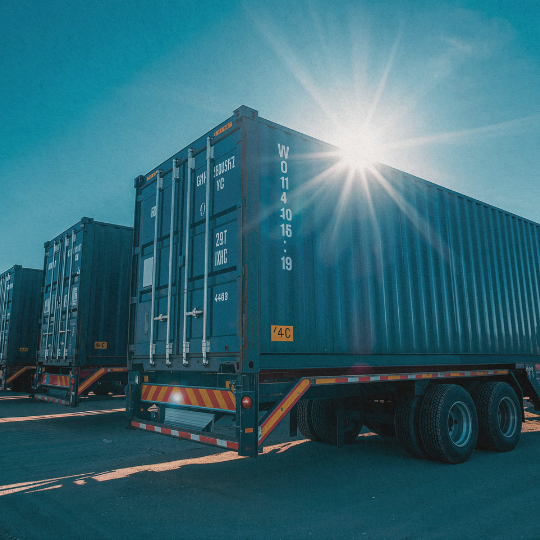
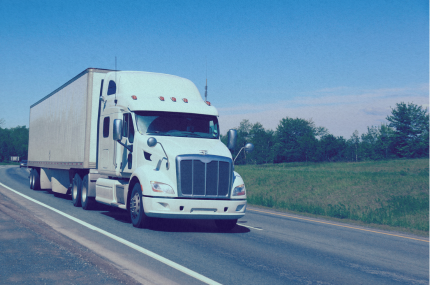
Last year, the automotive parts supplier lost about 20 loads valued at approximately $5M - a small fraction of the tens of thousands of loads it moves annually from Mexico. The losses weren't spread evenly across the network; instead, they were concentrated on high-value freight, a pattern that points to targeted theft rather than general loss.
- The company had no systematic way to see where that risk was concentrated. Its security team tracked all 75,000 loads manually, and nothing flagged a shipment as high-risk until something had already gone wrong.
- The financial pressure was compounding: cargo insurance premiums across the company's Mexico plants were set to rise by an average of ~15% in 2025, with the hardest-hit plant facing a 50% increase.
Deployment of Overhaul's software to support a control tower model: a platform that watches every shipment at once and flags only the loads showing signs of trouble, including an unplanned stop, a route deviation, or time spent in a known theft corridor - replacing the need to check each trailer one at a time.
- The automotive parts supplier's own security team operates it, turning its existing command center into a working control tower rather than handing monitoring off to a third party. It runs on the telematics the trailers already carry, with IoT devices deployed on the highest-value loads for deeper visibility. Coverage starts on that highest-value, highest-risk freight and expands from there.
A conservative 30–50% reduction in losses would save $1.5M–$2.5M a year, plus additional insurance savings that build through 2027. Even in the most conservative scenario, projected savings outpace the cost of the program.