The carrier you booked isn’t always the one at your dock
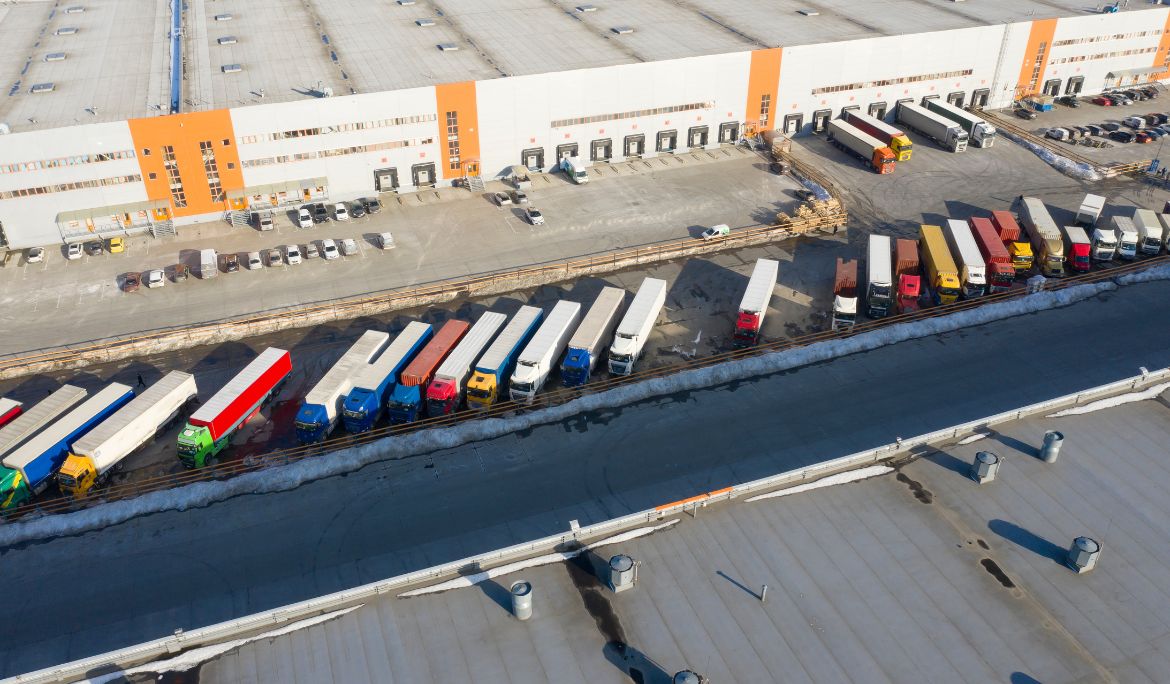
A truck backs into door 14 on a Saturday morning. The paperwork looks clean, the driver has a bill of lading, and the carrier passed onboarding months ago.
Then the load disappears.
This is how most freight fraud works today. Nobody breaks in. Fraudsters look legitimate long enough to get handed the freight, but by the time anyone notices the discrepancy, the truck is gone.
Preventing cargo theft requires more than just paperwork checks: it needs active verification at the dock.
Vetting is the first check, not the last one
Carrier vetting tells you whether a motor carrier or trucking company has a history worth worrying about. But it answers one question at one point in time: should we work with this carrier?
It doesn’t answer the question that matters at pickup: is this the carrier we booked, on this load, right now?
A lot can change between booking and pickup:
- A vetted carrier quietly re-brokers the load to someone you never screened, often through a load board.
- A fraudster uses a borrowed or stolen identity to impersonate a legitimate carrier.
- Insurance lapses after onboarding, and nobody re-checks.
- A carrier tied to past fraud comes back under a new name.
- Everyone did their check, but no one checked this load.

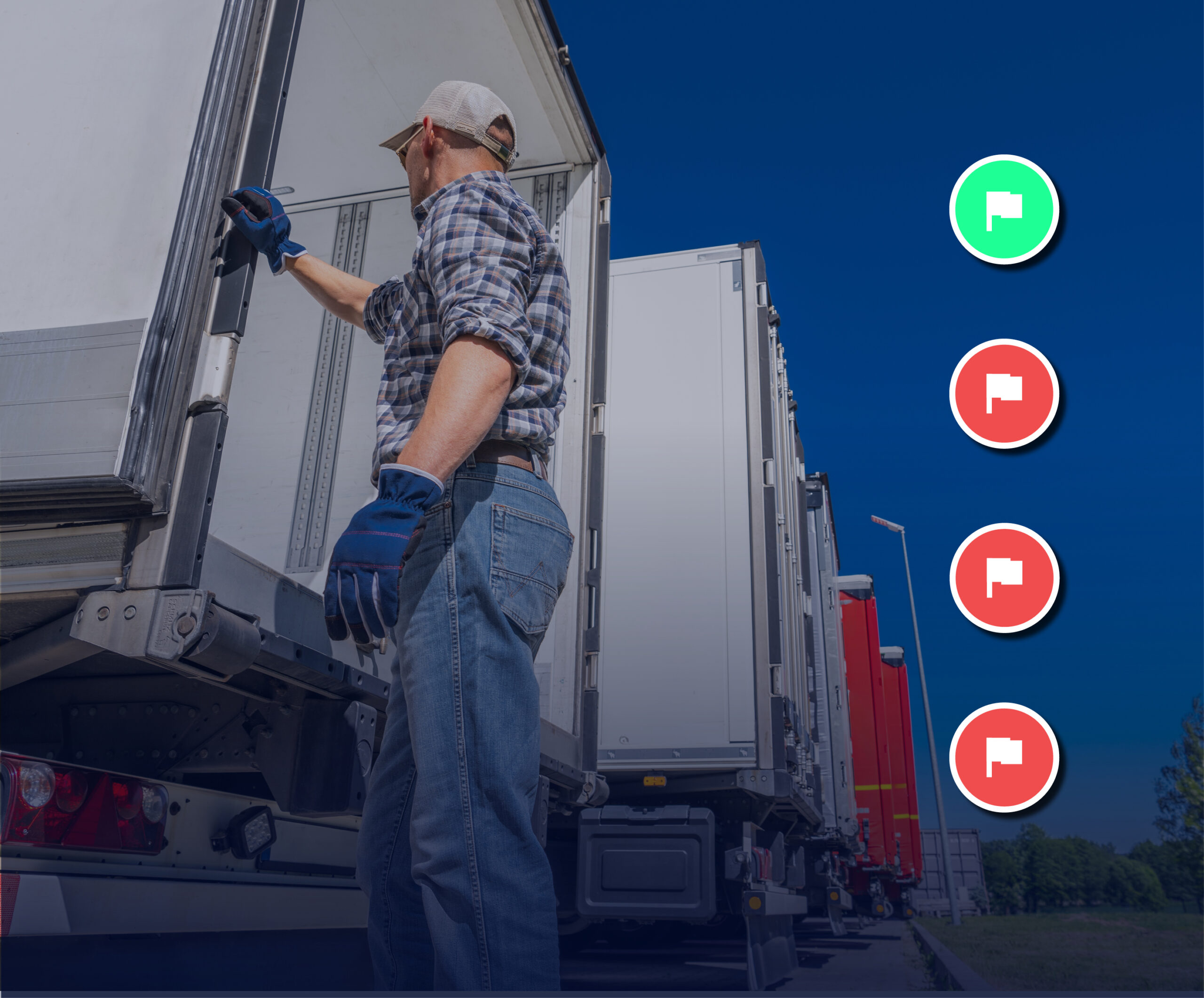
6 common freight fraud red flags
- Fake or altered signage – Fraudsters use temporary or fake USDOT numbers to pass as legitimate carriers. If nobody captures the DOT/MC number at the dock, nobody compares it against the booking.
- Double brokering – A shipment is booked with one carrier, and a different one shows up. Everything looks fine on paper until the truck arrives. That gap is where the money gets made.
- Driver impersonation – Fake or borrowed IDs let fraudsters pose as authorized drivers. This identity theft means a driver with clean paperwork can still be the wrong person.
- Insurance gaps – Expired or insufficient coverage hides behind paperwork. A policy that was valid at onboarding may not be valid today.
- High-risk history – Prior incidents, poor safety ratings and repeated violations tell a story. Read once at onboarding, that story goes stale fast.
- Linked incidents – Carriers tied to fraudulent activity or cargo crime reappear under new names. The USDOT changes, but the address, phone number or officers often stay the same.
What verification at pickup looks like
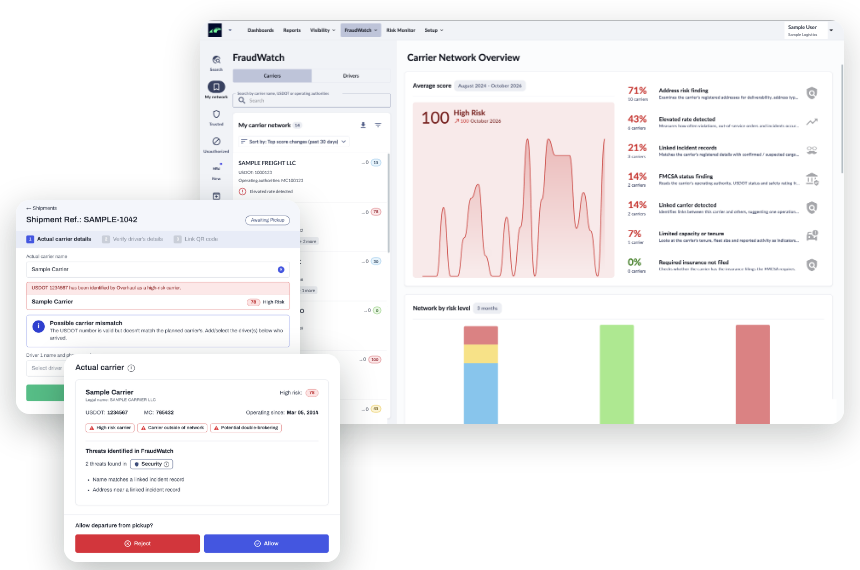
Catching these red flags means checking each shipment, not just each carrier. Overhaul FraudWatch adds that layer in three steps to help mitigate fraud in your supply chain.
- Identify carrier risk. FraudWatch evaluates carriers using FMCSA records and Overhaul’s linked-incident intelligence. That includes authority status, insurance, safety ratings and connections to known bad actors through shared addresses, phones or officers.
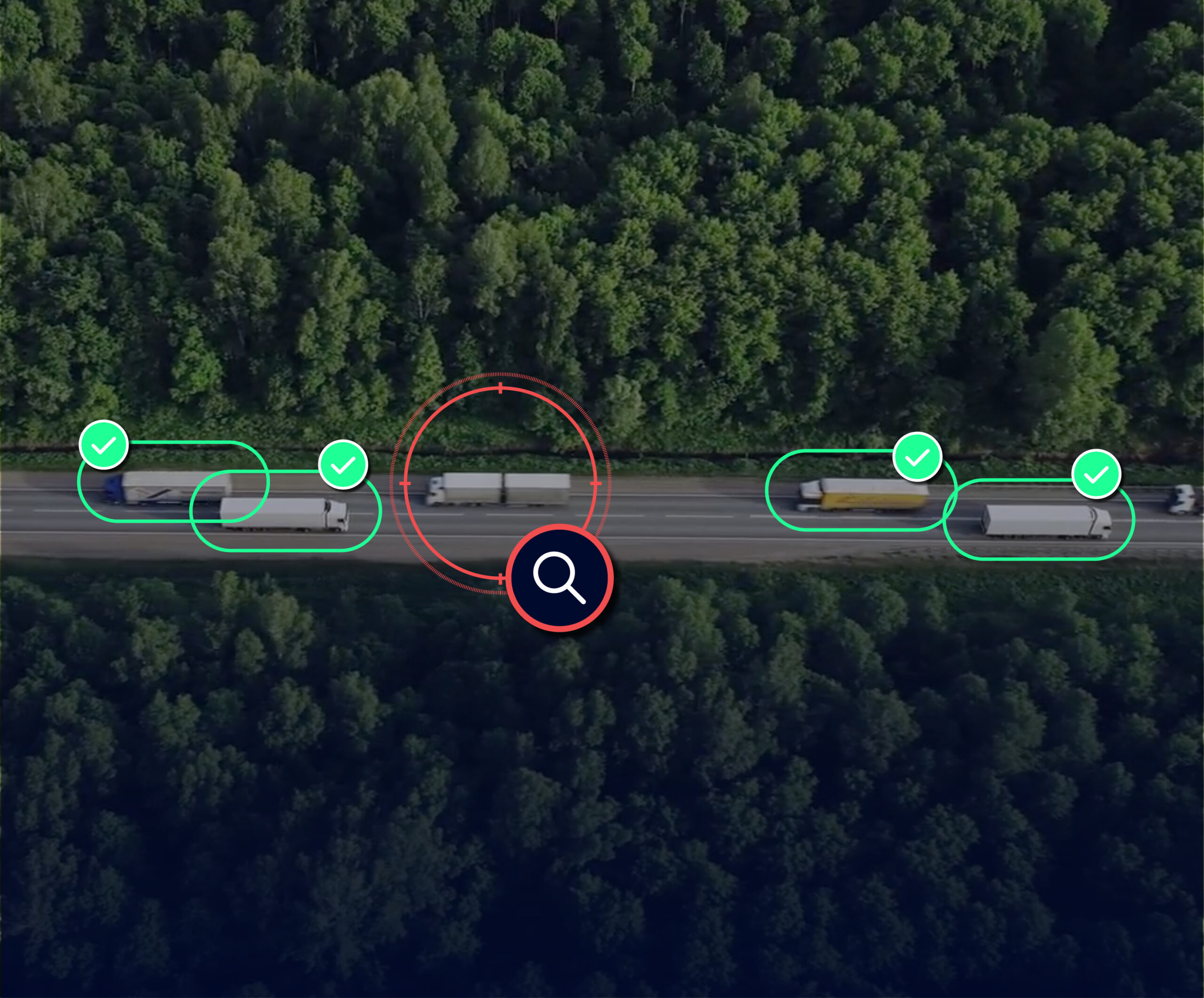
- Verify at pickup. The carrier’s DOT/MC is captured at the dock and matched against the motor carrier booked on the shipment. A mismatch isn’t a probability score. It’s a confirmed discrepancy, flagged while the freight is still on site.
- Act before release. When risk is elevated or the carrier doesn’t match, your team decides in real time: approve, or reject and rebook. Pickup is held until there’s a decision.
See this live on Dec 16 → Register for the FraudWatch product briefing
Freight fraud prevention in action
A 3PL customer—acting as a freight broker—nearly lost a ~$300K load when weekend gate screening didn’t run. The driver had clean paperwork and was about to leave with a pre-loaded trailer.
A FraudWatch check at pickup flagged six bad-actor alerts on the carrier. The load was never released. A week later, that same DOT number had nine alerts.
Click here to learn more about how FraudWatch prevented a $300k theft.
Built to work alongside your vetting tools
FraudWatch doesn’t replace your carrier vetting process. It covers the gap that vetting can’t: the moment of custody transfer.
Your vetting tools tell you who you should trust, whether it’s a trucking company or a motor carrier. FraudWatch tells you who’s actually standing at your dock, helping you prevent cargo theft, mitigate fraud, and protect your business throughout the supply chain.