Interrupciones en la cadena de suministro farmacéutica: riesgos, tendencias y soluciones

La cadena de suministro farmacéutica es fundamental para conectar a los fabricantes de medicamentos, proveedores y pacientes. Por este motivo, un solo problema puede tener efectos en cadena. De hecho, las interrupciones en la cadena de suministro farmacéutica pueden provocar escasez de medicamentos, retrasos en ensayos clínicos y un aumento de los costes. Estas interrupciones ponen en riesgo la seguridad del paciente y pueden dañar la reputación de la marca de una empresa.
Eventos como la pandemia de COVID-19, los desastres naturales y los retrasos en el transporte global han enseñado muchas lecciones al sector. En 2026, las empresas farmacéuticas, los proveedores de API y los gestores de la cadena de suministro están utilizando estas lecciones para construir cadenas de suministro más sólidas, inteligentes y resilientes.
Esto es lo que necesita saber para proteger la suya.
¿Qué es una interrupción en la cadena de suministro farmacéutica?
Una interrupción en la cadena de suministro farmacéutica ocurre cuando se ve afectado el proceso normal de distribución de medicamentos, principios activos farmacéuticos (API), o materiales y fármacos para ensayos clínicos. Las interrupciones pueden incluir retrasos en el transporte, robos, problemas de temperatura o incidencias en la planta de fabricación. A veces, una interrupción puede significar que los medicamentos, los API o los excipientes no lleguen a tiempo a hospitales, farmacias o centros de fabricación.
Estos problemas no solo afectan a las empresas farmacéuticas. También repercuten en los proveedores de ingredientes, socios logísticos, fabricantes por contrato y pacientes que esperan su tratamiento.
Causas de la interrupción de la cadena de suministro en la industria farmacéutica
Desastres naturales
Los desastres naturales como huracanes, inundaciones, erupciones volcánicas y terremotos pueden dañar e interrumpir las plantas de fabricación, las carreteras, los envíos aéreos y marítimos, y los almacenes de distribución. Por ejemplo, un huracán en Puerto Rico provocó en su día el cierre de varias plantas de fabricación de medicamentos, lo que dio lugar a escasez de medicamentos intravenosos y bolsas de fluidos en Estados Unidos. Cuando las carreteras o los puertos están cerrados, resulta difícil para los fabricantes farmacéuticos y los proveedores de equipos médicos entregar los productos a tiempo.
Globalización y complejidad de la cadena de suministro
Muchas empresas farmacéuticas dependen de una red global de proveedores. La mayoría de los API provienen de países como China e India y cruzan muchas fronteras. Si un país tiene un problema —como una nueva norma comercial, un desastre natural o el cierre de una fábrica—, puede interrumpir toda la cadena de suministro. Esta complejidad aumenta el riesgo de interrupción de la cadena de suministro en las operaciones de la industria farmacéutica.
Problemas de fabricación y calidad
La fabricación de medicamentos es un proceso delicado. Si el equipo se avería o un lote no supera una prueba de calidad, la producción puede detenerse. Esto puede causar rápidamente una interrupción en la cadena de suministro farmacéutica, especialmente si no hay suficientes existencias de seguridad. A veces, el hecho de que un solo proveedor de API no supere una inspección de calidad puede detener la producción de numerosos medicamentos.
Cambios en la demanda y desafíos de inventario
A veces, la demanda de un medicamento aumenta rápidamente. Esto ocurrió durante la pandemia de COVID-19, cuando muchas más personas necesitaron ciertas vacunas y fármacos. Si los gestores de la cadena de suministro no mantienen suficientes existencias de seguridad, o si intentan reducir costes en exceso, pueden quedarse sin existencias de medicamentos o API importantes. Esto provoca una interrupción en la cadena de suministro farmacéutica y deja a los pacientes sin los medicamentos que necesitan.
Impactos de las interrupciones en la cadena de suministro farmacéutica
Escasez de medicamentos
La escasez de medicamentos es uno de los efectos más graves de las interrupciones en la cadena de suministro farmacéutica. Cuando los pacientes no pueden obtener su medicación, su salud puede verse afectada. Es posible que los hospitales tengan que utilizar tratamientos menos eficaces o incluso cancelar ensayos clínicos. Además, la escasez de medicamentos ha obligado en ocasiones a médicos y farmacéuticos a tomar decisiones difíciles sobre qué pacientes deben recibir tratamiento primero.
Retrasos en ensayos clínicos y fabricación farmacéutica
Los ensayos clínicos dependen de la entrega puntual de medicamentos en investigación y principios activos (API). Cuando se produce una interrupción en la cadena de suministro de la industria farmacéutica, los plazos de investigación pueden retrasarse. Esto ralentiza la aprobación de nuevos medicamentos y puede afectar al momento de su lanzamiento al mercado, perjudicando a las empresas farmacéuticas. La fabricación farmacéutica también puede detenerse si los envíos se retrasan o si surgen problemas de calidad durante el tránsito.
Mayor riesgo de robo
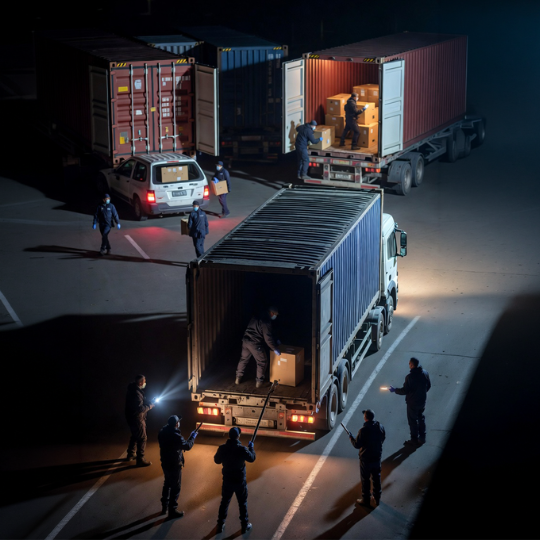
Cuando las interrupciones en la cadena de suministro farmacéutica retrasan los envíos, el riesgo de robo aumenta. Los camiones o contenedores atrapados en lugares inseguros son blancos fáciles para los delincuentes. El robo de medicamentos provoca escasez, pérdida de ingresos y, en ocasiones, la entrada de fármacos en el mercado negro. La visibilidad en tiempo real de Overhaul y su solución de inteligencia pueden enviar alertas si un envío se retrasa, se detiene durante demasiado tiempo o se desvía de su ruta, ayudando a las empresas a actuar con rapidez y reducir el riesgo de robo.
Riesgos financieros, normativos y de reputación
Cumplir con las normativas y garantizar la entrega a tiempo es fundamental para las empresas farmacéuticas, los proveedores de API y los proveedores de logística. De lo contrario, las empresas pueden perder dinero debido a productos farmacéuticos comprometidos o retrasados. También podrían enfrentarse a sanciones reglamentarias por una manipulación inadecuada durante la distribución o sufrir daños a su reputación por no cumplir con las expectativas de los pacientes.
Pérdidas y riesgos para la salud por excursiones de temperatura
Muchos medicamentos deben mantenerse fríos o a una temperatura determinada para ser eficaces. Si los envíos se retrasan debido a una interrupción en la cadena de suministro, o si el equipo falla, puede producirse una excursión de temperatura, lo que puede significar que el medicamento ha superado sus límites de tiempo y temperatura. Esto puede hacer que los medicamentos o los API no sean seguros o pierdan eficacia, por lo que es posible que deban desecharse y reemplazarse. Esto conduce a nuevas interrupciones en la cadena de suministro farmacéutica y a un aumento de los costes.
Gestión de riesgos de la cadena de suministro en tránsito: el eslabón perdido
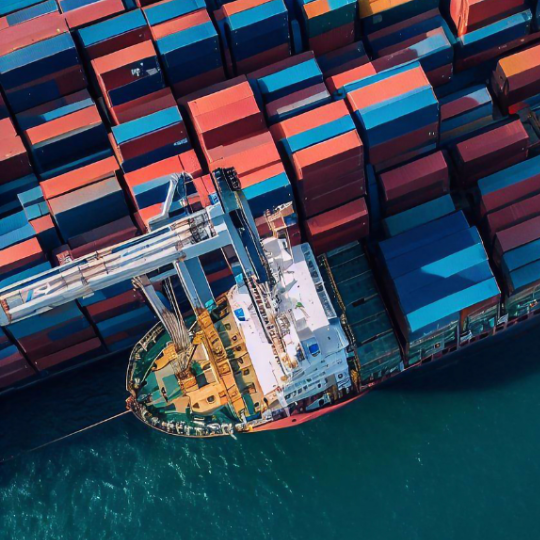
Obtener API fiables y fabricar medicamentos de calidad es vital, pero el trayecto desde el proveedor hasta el destino es igual de importante. Muchas interrupciones en la cadena de suministro farmacéutica ocurren durante el tránsito, con múltiples manipuladores y transferencias, y pueden ser causadas por la congestión en aeropuertos y puertos, la exposición prolongada a temperaturas altas o bajas, retrasos en cruces fronterizos y aduanas, fallos en los equipos, robos, desvíos o falta de comunicación. Los proveedores de API y las empresas farmacéuticas necesitan visibilidad en tiempo real y gestión de riesgos para evitar estas interrupciones.
La plataforma de supervisión de riesgos de la cadena de suministro GXP de Overhaul proporciona este eslabón perdido con el seguimiento en vivo de los envíos de productos, alertas predictivas de interrupciones en la ruta y notificaciones instantáneas si un envío está en riesgo, todo ello con inteligencia contextual. Con estas herramientas, los gestores de la cadena de suministro, los proveedores de API y sus socios logísticos pueden responder rápidamente, retirar un contenedor de una pista de aterrizaje, conectar un contenedor que ha quedado en el puerto o tomar otras medidas para evitar pérdidas costosas. Este enfoque ayuda a mantener la cadena de suministro en movimiento, reduce el riesgo y garantiza que los medicamentos y los API lleguen de forma segura, en las condiciones adecuadas y a tiempo.
Cómo abordar las interrupciones de la cadena de suministro farmacéutica en 2026 y más allá
Mejora de la visibilidad y la comunicación
Las cadenas de suministro modernas utilizan herramientas digitales para realizar un seguimiento de los envíos y el inventario en tiempo real. Con una mejor visibilidad, los gestores logísticos pueden detectar problemas a tiempo y tomar medidas antes de que se agraven. La comunicación proactiva con los socios logísticos y los clientes también ayuda a que todos respondan más rápido ante las interrupciones. Cuando todos comparten información, la cadena de suministro es más fuerte y resistente.
Mantenimiento de existencias de seguridad y equilibrio de inventario
Las existencias de seguridad son suministros adicionales que se mantienen a mano para gestionar picos repentinos de demanda o retrasos en el suministro. Sin embargo, mantener un inventario excesivo puede aumentar los costes, mientras que uno insuficiente puede provocar desabastecimiento. El análisis predictivo ayuda a encontrar el equilibrio adecuado, garantizando la disponibilidad de stock suficiente para emergencias sin malgastar dinero.
Fortalecimiento de las relaciones y la colaboración con proveedores
La resiliencia de la cadena de suministro depende de relaciones sólidas entre empresas farmacéuticas, proveedores de API, proveedores logísticos y organismos reguladores. Trabajar juntos ayuda a compartir información sobre riesgos, coordinar respuestas y mantenerse al día con las normativas cambiantes. La plataforma de Overhaul fomenta la colaboración mediante inicios de sesión con permisos, alertas en tiempo real, intercambio de datos de envío con clientes, integraciones de datos con socios y documentación automatizada de cumplimiento de GxP.
Inversión en transformación digital
La tecnología digital es clave para superar los desafíos de la cadena de suministro. Herramientas como sensores IoT, seguimiento de temperatura de envíos en directo y análisis predictivo brindan a los gerentes de logística visibilidad y control en tiempo real. Esto aumenta la resiliencia de la cadena de suministro y reduce el impacto de las interrupciones en la cadena de suministro farmacéutica.
El papel de los gerentes de cadena de suministro y logística en 2026
Los gerentes de cadena de suministro y logística se encuentran ahora en el centro de la protección de la cadena de suministro farmacéutica. Sus funciones van más allá de gestionar el inventario y enviar productos; también deben gestionar riesgos, cumplir normativas y utilizar nuevas tecnologías. En 2026, estos profesionales deberán:
- Monitorear los envíos en tiempo real y actuar rápidamente cuando surjan problemas
- Construir relaciones sólidas con socios logísticos, departamentos de calidad y almacenes, y mayoristas, además de cumplir con los requisitos normativos
- Mantener la cantidad adecuada de existencias de seguridad para equilibrar la reducción de costes con la resiliencia de la cadena de suministro
- Invertir en herramientas digitales que proporcionen seguimiento de temperatura y ubicación en directo, predigan retrasos, envíen alertas sobre eventos en tiempo real y faciliten la documentación de cumplimiento
Al centrarse en estas áreas, los gerentes de cadena de suministro y logística pueden ayudar a prevenir grandes impactos derivados de las interrupciones en la cadena de suministro farmacéutica y asegurar que los medicamentos lleguen a donde más se necesitan.
Cómo ayuda Overhaul a las empresas de la cadena de suministro farmacéutica
Overhaul ofrece gestión de riesgos e inteligencia para la cadena de suministro GxP soluciones para productos de cadena de frío que van más allá de la visibilidad y el seguimiento básicos. Nuestra plataforma está diseñada específicamente para empresas farmacéuticas, proveedores de API y proveedores logísticos que desean modernizarse y pasar de la recopilación manual de datos a una plataforma unificada e independiente del dispositivo para gestionar envíos multimodales, ofreciendo información contextualizada para tomar decisiones prácticas. Overhaul automatiza la captura de datos de temperatura, monitorea cada envío y señal en tiempo real según reglas de software, clasifica los envíos de alto riesgo con una puntuación de riesgo avanzada y respalda la gestión por excepción con respuestas sugeridas basadas en SOP. Esta supervisión e inteligencia en una red de transporte global se centra en reducir el impacto y el coste de las interrupciones en la cadena de suministro y en mantener la seguridad de los productos y los pacientes.
Con Overhaul, usted obtiene:
- Seguimiento de envíos en tiempo real en cualquier parte del mundo
- Alertas predictivas sobre interrupciones de ruta, riesgos meteorológicos o actividad inusual
- Funciones de seguridad de carga para prevenir robos y manipulaciones
- Informes de cumplimiento automatizados para ayudar a cumplir con las normativas del sector
- Herramientas de colaboración para facilitar la comunicación y el intercambio de documentos en toda la cadena de suministro farmacéutica
Estas funciones ayudan a los gerentes de la cadena de suministro y a los proveedores de API a evitar retrasos, reducir costes y entregar medicamentos de forma segura y puntual, incluso durante eventos inesperados.
Pasos prácticos para aumentar la resiliencia de la cadena de suministro
- Utilice herramientas de seguimiento en tiempo real y análisis predictivo para detectar riesgos tempranos ante interrupciones en la cadena de suministro farmacéutica.
- Diversifique proveedores y rutas para no depender de una sola fuente o vía.
- Mantenga el nivel adecuado de existencias de seguridad para gestionar picos de demanda o retrasos en los envíos.
- Establezca alianzas sólidas con proveedores de confianza, socios logísticos y organismos reguladores.
- Invierta en transformación digital para mejorar la visibilidad, la comunicación y el control en toda la cadena de suministro.
Conclusiones clave
- Las principales causas de interrupción de la cadena de suministro en la industria farmacéutica incluyen desastres naturales, problemas de suministro global, riesgos de fabricación y cambios repentinos en la demanda.
- Las interrupciones pueden provocar robos, pérdidas financieras o de reputación, y alteraciones en la cadena de frío, entre otros problemas.
- Una planificación inteligente, la tecnología y el trabajo en equipo pueden reducir costes y ayudar a que los pacientes reciban los suministros médicos que necesitan.
- Las soluciones a largo plazo requieren visibilidad y apoyo en el seguimiento de riesgos a través de socios como Overhaul. Obtenga más información sobre cómo prevenimos las interrupciones y preservamos la calidad del producto en los envíos farmacéuticos.