AI infrastructure news: today's key risks, trends, and more

The race to harness artificial intelligence is transforming industries at a breathtaking pace. Yet every breakthrough means additional risks and evolving challenges. From new federal rules for AI oversight to high-profile data center heists, organizations must balance opportunity with vigilance. That’s why we’ve compiled the latest in AI infrastructure news to help your company stay informed, prepared, and two steps ahead.
What’s new in 2026?
Government policies and AI infrastructure
In 2026, the U.S. administration issued an executive order to enhance AI innovation and security. Specifically, it focused on strengthening cybersecurity for federal systems and critical infrastructure. The order directs federal agencies to prioritize the cyber defense of national security and civilian government information systems. They are also asked to expand AI-enabled cybersecurity tools and collaborate with AI developers on advanced “frontier” models.
Additionally, the government is incentivizing investment in trusted domestic semiconductor production, through tax breaks and procurement priorities under the CHIPS and Science Act. These policies are designed to reduce reliance on foreign suppliers and protect critical AI and data resources from both cyber and physical threats.
Supply chain risks and organized crime
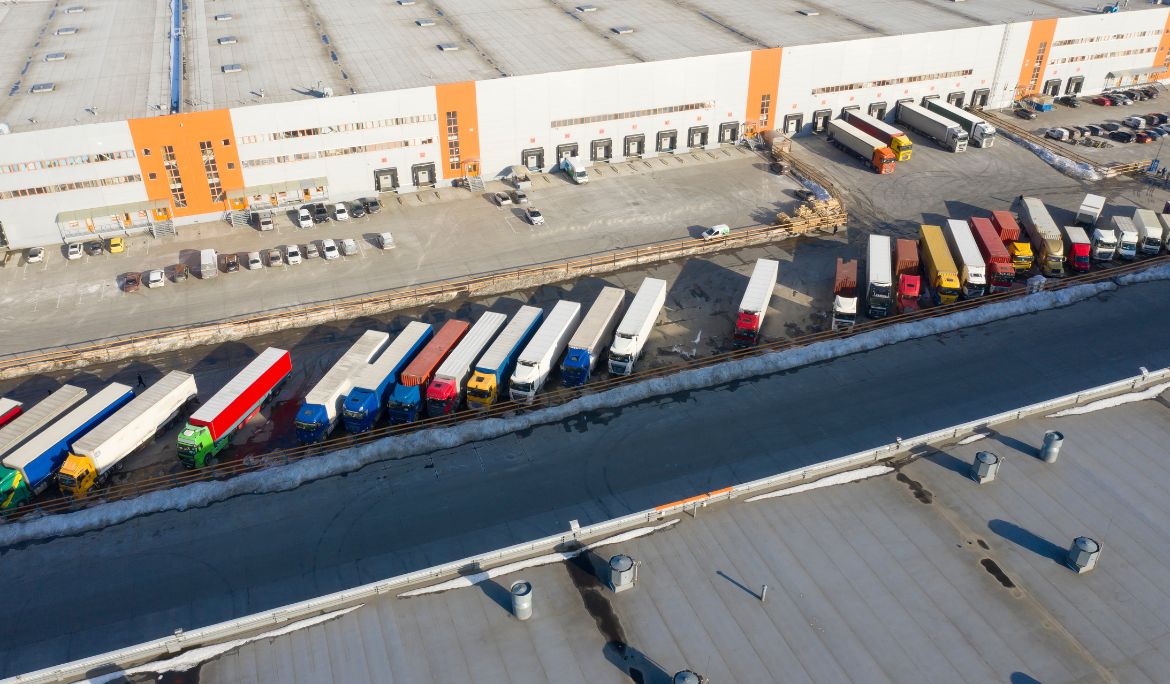
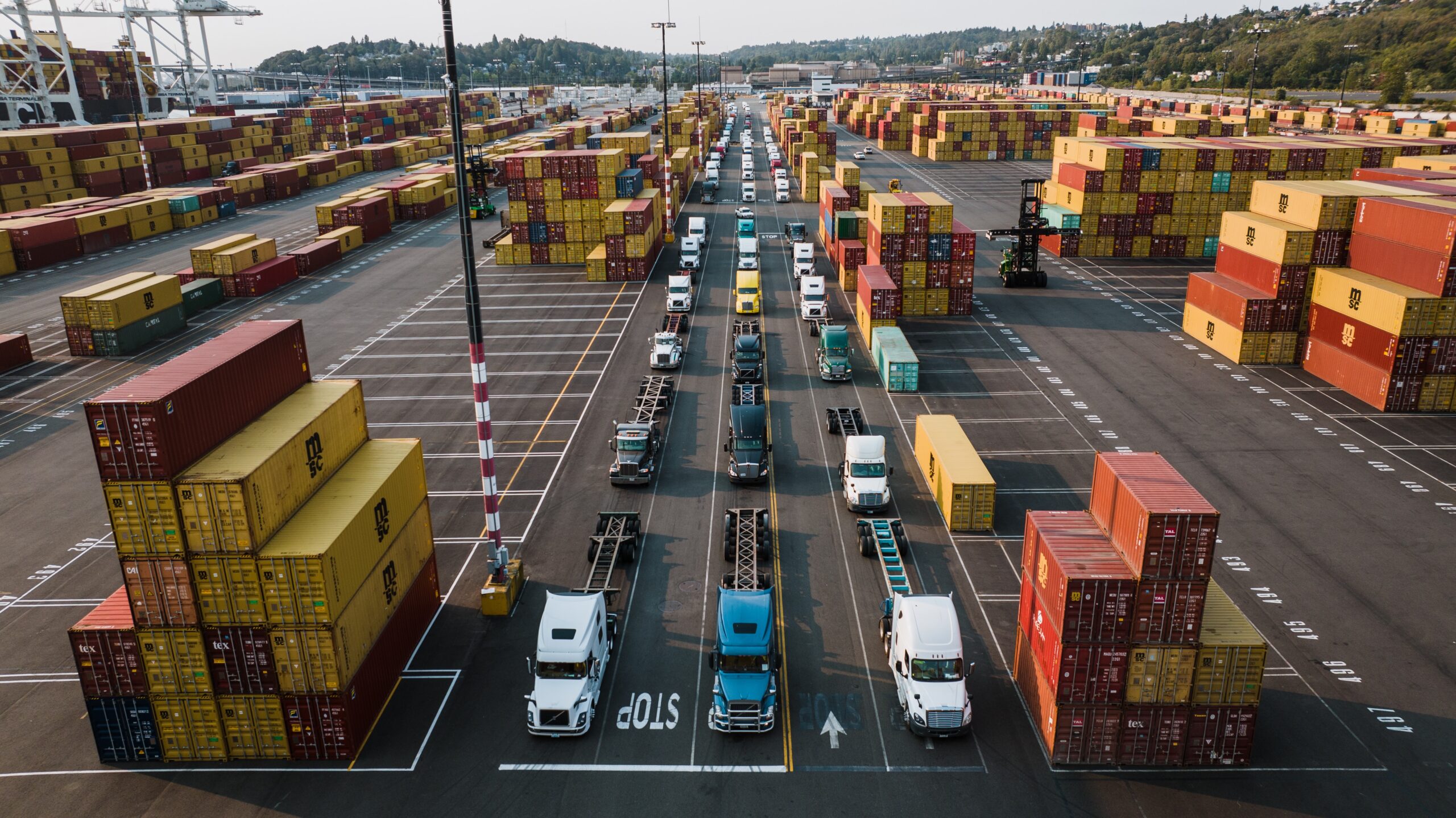
As AI projects demand more advanced hardware, criminals are finding new opportunities. For example, two trailers containing $1.3 million worth of stolen copper wire and data center infrastructure were recently recovered in a Chicago-area truck yard.
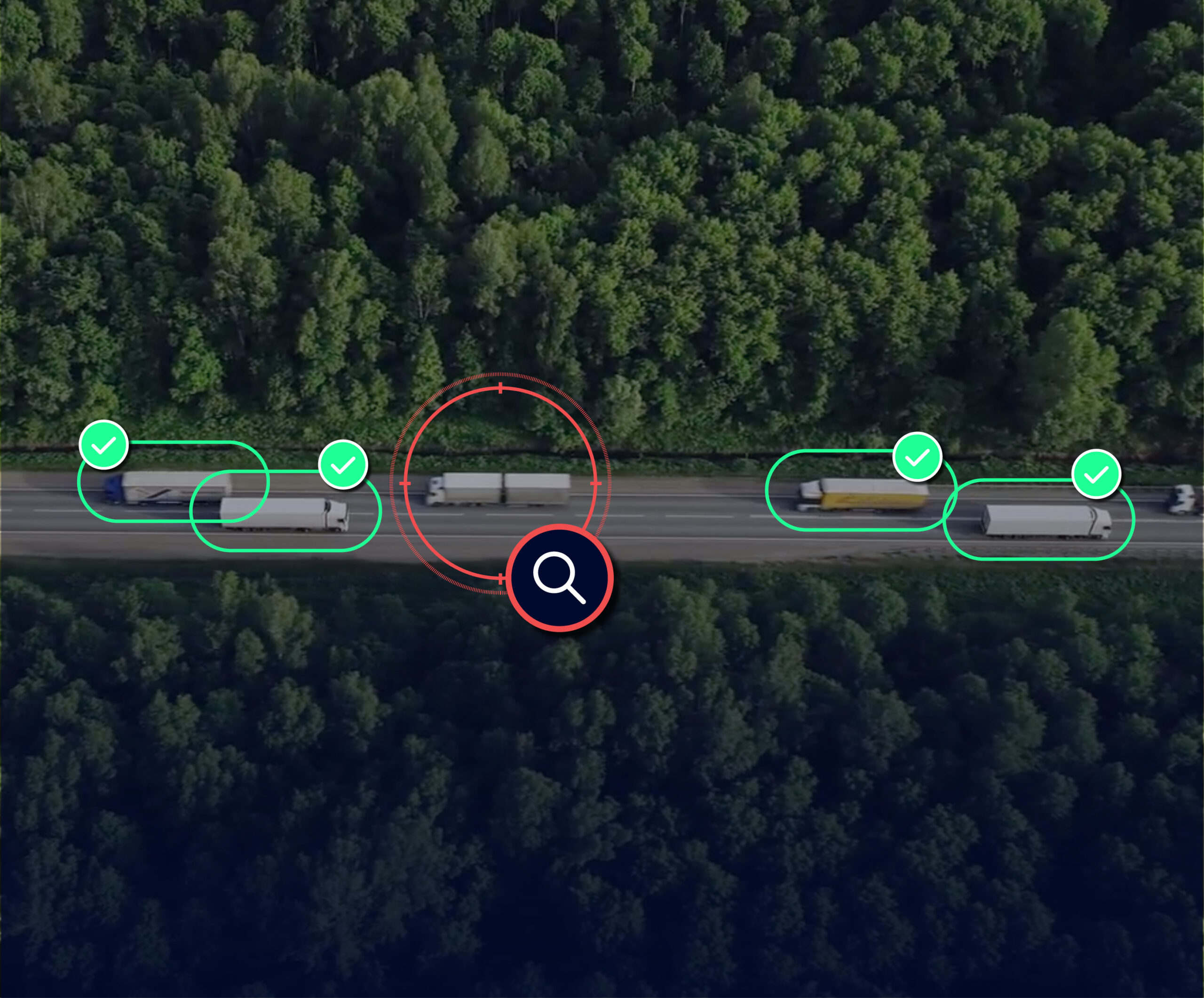
To combat these risks, companies are increasingly adopting AI-powered supply chain monitoring. Solutions include real-time IoT sensors, geofencing for high-value shipments, and blockchain-based chain-of-custody platforms. Companies are also hiring specialized logistics partners with expertise in handling and securing fragile semiconductor components.
Cloud computing and edge AI
With more physical risks, cloud computing is an even better choice for running AI workloads. Large cloud services providers have improved their security. They now offer special “AI enclaves” that use strong encryption, hardware checks, and controlled physical access to protect data.
Edge AI is also expanding quickly. Logistics companies use edge AI devices in warehouses and on delivery routes to watch shipments in real time. These devices can spot sudden temperature changes, strong vibrations, route changes, or other signs of tampering or theft.
Containerized data centers are another popular solution in 2026. These small, portable data centers can be set up quickly. They come with advanced security, like remote lockdowns and environment monitoring. This makes it easy to place computing power where it’s needed, whether for projects in remote places or as backup for large scale operations, while still keeping everything secure.
Building resilient AI infrastructure for the long term
The combination of government regulation, advanced technology, and industry best practices is helping organizations develop more robust AI infrastructure. Long-term strategies now include comprehensive lifecycle management, which involves tracking AI hardware from manufacturing through deployment and eventual recycling.
Training and awareness programs are also becoming standard. Staff at every level are being educated on the latest risks, social engineering tactics, and proper response protocols if a breach or theft is detected. Regular “red team” exercises (where security teams simulate attacks) are also becoming mandatory for critical data centers and high-value supply chain nodes.
Sustainability is also coming to the forefront. Companies and consumers are pushing for energy-efficient data center designs, the use of renewable power sources, and responsible e-waste management. Relatedly, the Artificial Intelligence Environmental Impacts Act of 2026 aims to increase transparency and explore the positive and negative environmental effects of AI technologies.
The future of AI infrastructure: what’s next?
Looking forward, AI infrastructure news points to even greater integration of automation and predictive analytics. AI-driven supply chain management systems can now forecast delays, reroute around risky regions, and even initiate insurance claims.
The growth of “scale AI” (running massive distributed AI workloads across geographies) relies on these advances. Organizations are leveraging containerized data centers and hybrid cloud-edge networks to maintain flexibility, redundancy, and security in the face of evolving threats.
Yet as AI systems become foundational to global logistics, the stakes are rising. Energy consumption, resource demands, and environmental risks will accelerate in step with the push for speed and efficiency. Without decisive action to measure and mitigate these impacts, the promise of smarter supply chains could come at an unsustainable cost. Industry and regulators alike face a pivotal choice: drive innovation responsibly, or risk undermining both resilience and sustainability in tomorrow’s interconnected world.
Key ideas: AI infrastructure news today
- Stricter laws and standards: Federal frameworks are setting new benchmarks for security, transparency, and sustainability.
- Notable thefts and risks: Real-world incidents, including heists of $1 million+ in AI infrastructure, show why supply chain security must be a top priority.
- Advanced security: Companies are adopting biometrics, AI monitoring, blockchain tracking, and “red team” drills to defend data centers and shipments.
- Innovative deployment: Cloud, edge, and containerized data centers enable rapid, secure scaling of AI workloads across industries.
- Long-term vision: Smart lifecycle management, sustainability, and ongoing staff training are shaping the future of AI infrastructure.
Explore more articles about AI infrastructure
Learn more about the latest AI infrastructure news today and related topics:
- Semiconductor tariffs and the need for risk intervention
- Crypto mining equipment insurance: an in-transit must
- The missing piece to AI data security
- An essential guide to semiconductor supply chain challenges
- 8 must-haves for your data center logistics provider
Frequently asked questions about AI infrastructure news today
Q: What are the top risks facing AI infrastructure today?
A: The most significant risks include:
- Physical theft of AI hardware during transit or at construction sites
- Insider threats exploiting access to components or data
- Supply chain disruptions from geopolitical tensions, natural disasters, or cyberattacks
- Environmental risks, such as overheating or power failures, especially in edge and containerized deployments
- Increasing regulatory scrutiny around data privacy, sustainability, and operational transparency
Q: How does real-time shipment tracking help prevent AI hardware theft?
A: Real-time tracking lets companies see exactly where their shipments are at all times. If a shipment goes off its planned route or stops without warning, teams get an alert right away. This helps them act fast to stop theft or recover lost items.
Q: What is geofencing and why is it important for AI supply chains?
A: Geofencing uses GPS to set up virtual boundaries around key locations or routes. If a shipment leaves its safe zone, Overhaul’s system sends an instant alert. This helps companies react quickly if something unusual happens during transport.
Q: Why is chain-of-custody tracking important for AI infrastructure?
A: Chain-of-custody tracking records every handoff and location of a shipment, from the factory to the data center. This clear record helps prevent tampering, proves nothing was lost or stolen, and supports insurance claims if something goes wrong.
Q: How do staff training and “red team” drills make AI infrastructure safer?
A: Staff training teaches workers how to spot threats like fake emails or tampering. “Red team” drills are practice attacks, so teams learn how to respond if there’s a real problem. Both steps help keep shipments and data centers safe.
Q: What does Overhaul do in the context of AI infrastructure security and logistics?
A: The Overhaul platform offers end-to-end visibility using IoT sensors, geofencing, and AI-powered risk alerts to monitor shipments across road, air, rail, and ocean. If a shipment deviates from its planned route or encounters unexpected conditions, Overhaul’s control tower can immediately coordinate rapid intervention with local response teams. The platform also supports compliance with evolving federal and international regulations by maintaining auditable chain-of-custody records and providing real-time reporting.
Q: What steps should organizations take after a theft or breach involving AI infrastructure?
A: Immediate steps include:
- Activate incident response protocols and notify law enforcement or relevant authorities.
- Use Overhaul’s platform or equivalent tracking systems to trace the last known location and status of the shipment.
- Conduct a root cause analysis. Was it a process failure, insider action, or external attack?
- Inform all stakeholders, including customers and regulatory bodies if required.
- Review and update physical and cyber security measures, as well as staff training, to prevent recurrence.
- If applicable, initiate insurance claims and leverage Overhaul’s analytics to support loss documentation and recovery.
Stay updated on AI infrastructure's latest news developments in 2026
AI infrastructure in 2026 is full of rapid advances and real-world risks. New government frameworks, high-profile thefts, and next-generation technologies are redefining how organizations build, secure, and scale their AI operations. Companies that proactively adopt advanced security, resilient supply chains, and sustainable infrastructure will lead in the era of artificial intelligence.
To keep your business ahead, read more about Overhaul's solutions and check back here monthly for the latest news.